

Forming the Future Foundation of Agroecology and Food Sovereignty in West Africa
What does it take for young people in West Africa to move from the margins of agriculture into its future leadership? Through initiatives such as the Agroecology Youth Caravan, a new generation is beginning to explore this question in practice, moving across rural communities and learning directly from farmers, organizations, and each other.
West Africa is one of the youngest regions in the world, with people under 35 making up the majority of the population. Yet across much of the region, agriculture, the sector that sustains millions of livelihoods, remains difficult for young people to enter as independent producers.
The conditions required to qualify as an independent farmer include access to and ownership of land, control over labor, family dynamics, and the funds required for farming. This overall capital is far above the reach of many young men and women who may be just starting life, and it often stands as the major gap between youth and their farming or agricultural enterprise dreams. Many are lost between striving for higher education and better-paying jobs in cities, contributing to increased migration from rural communities to urban centers.
However, there’s also a population of youth still living or emerging in local communities who are capitalizing on small opportunities and sources of hope to support rural farming. They take on roles in community mobilization, volunteer for nongovernmental organizations, and participate in various activities within their communities. But if youth are the future leaders of tomorrow, how can they be prepared for the future responsibility of continuing the legacy of agroecology and food Sovereignty?
Our Youth Empowerment Initiatives
Interestingly, among our West African partner organizations, youth make up the majority of field staff mobilizing communities, organizing activities, and in some instances, spreading technologies through cascading trainings and field trials of innovations.
A key empowerment approach is to have youth participate in their community’s agroecological committees. These are structures that ensure the transparent organization of agroecological activities and often provide strategic direction to sustain communities’ agroecological efforts. Having young people lead initiatives through such systems gives them hope and agency for the future.
One such youth is Emmanuel, the Secretary to the Torope Community Agroecology Committee in Northern Ghana, who is also a youth storyteller working with our partner Urbanet. He says, “For me, being the secretary for our Community Agroecology committee has given me the opportunity to serve the community. I have a voice in the community when it comes to promoting agroecology and I think other youth are looking up to me in many ways now’’.
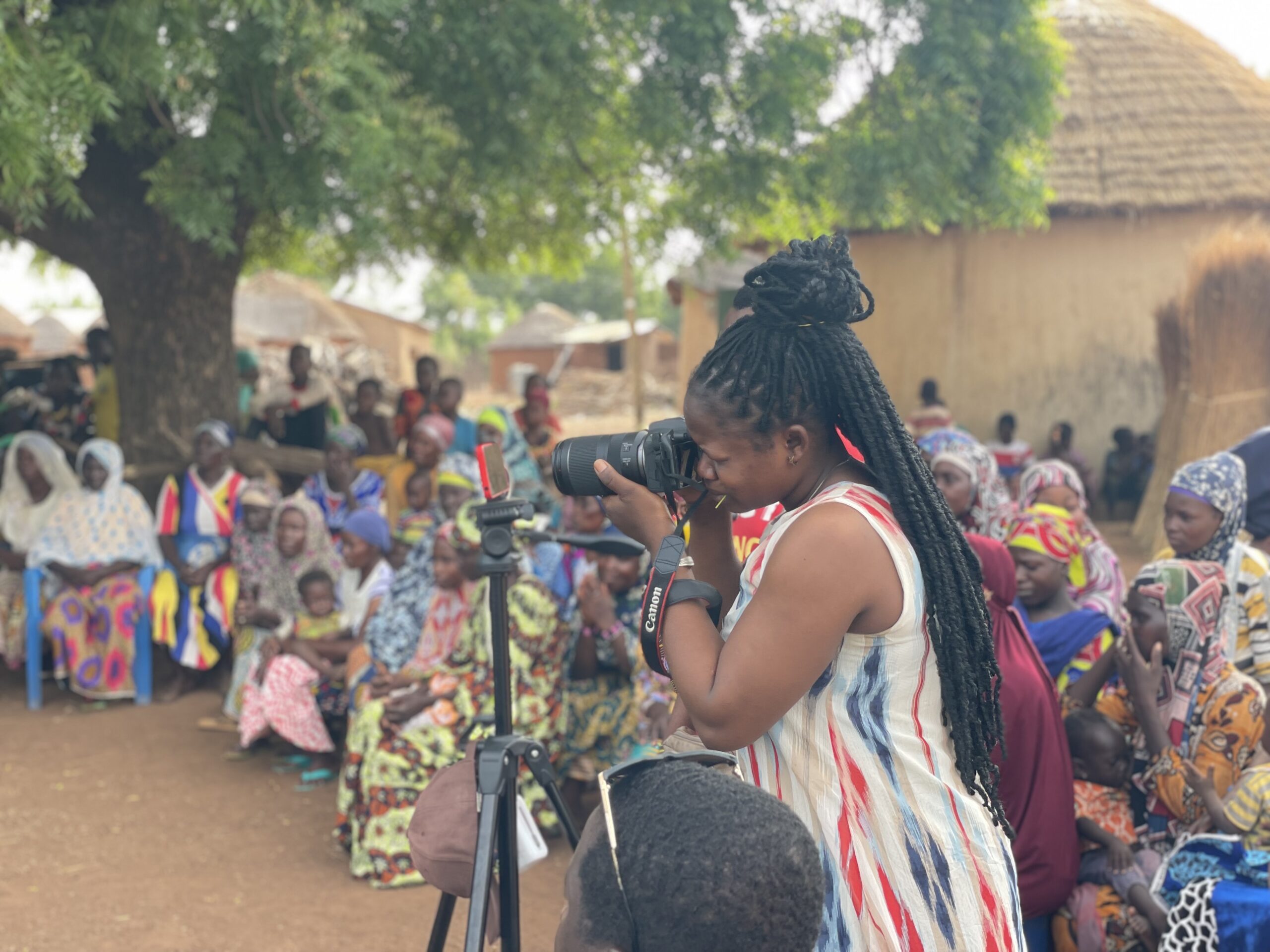
Another significant aspect of our collaboration with youth is our Youth Storyteller Program, which engages youth in planning, deciding and implementing storytelling and communications to promote agroecology in communities. In this space, youth serve as the voices of their communities in broader spaces like social media and among wider stakeholder networks.
The Youth Storyteller Program focuses on capacity building and training in storytelling and communication, video production, and providing equipment for documenting community experiences and innovations in agroecology. So far, more than 60 youth have been involved in West Africa.
Among them is Arnold Kog Der Ninfaakang from Nandom in the Upper west Region of Ghana. He has shown remarkable commitment in his short-term journey so far as a youth storyteller with our partner CIKOD.
“My main motivation for being a youth storyteller is because I see the effects of chemicals on farmlands, our ecology and the environment in general back home and I have seen some of these effects being reversed using agroecology by farmers using simple technologies and tools. I want to be able to learn and share these experiences with my peers so together we can know the existing solutions and begin to take actionable steps towards improving our situation.’’
These youth empowerment initiatives became the build-up to something even greater: creating exposure, motivation, and a safe space for youth to contribute meaningfully to advancing agroecology in West Africa.
“I want to be able to learn and share these experiences with my peers so together we can know the existing solutions and begin to take actionable steps towards improving our situation.”
Arnold Kog Der Ninfaakang, ghana
Our Big Push: The Agroecology Youth Caravan
The remarkable interest and engagement of youth in these programs led us to further invest in strengthening youth leadership across the network.
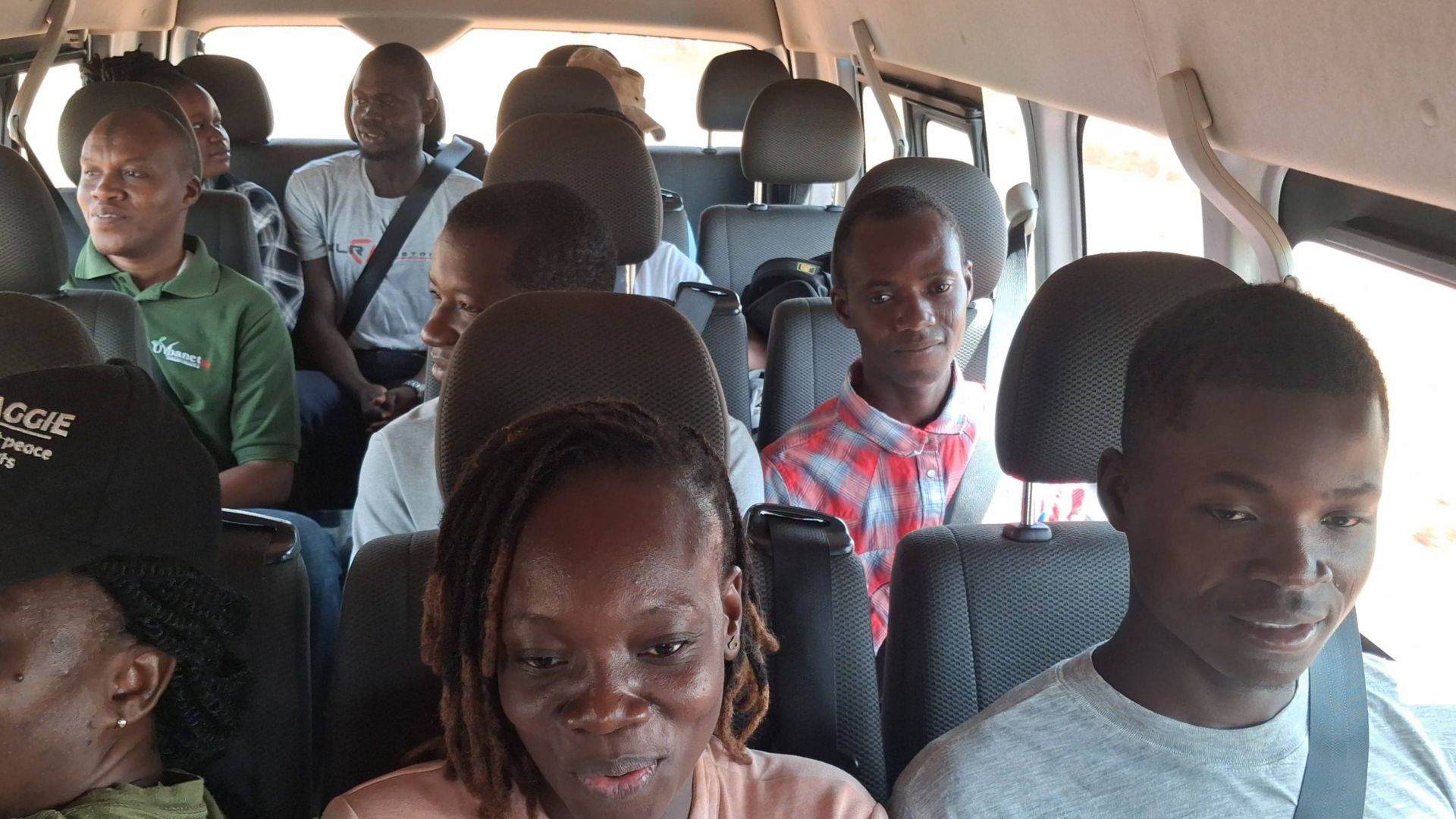
As a result, we organized an Agroecology Youth Caravan for 18 youth from 6 West African partner organizations in Burkina Faso, Ghana, Mali and Senegal.
The group included youth storytellers from rural farming communities, field officers from partner organizations and community youth leaders engaged in various agroecological enterprises. They came together to connect, share experiences, and learn from agroecological models and enterprises across the region.
Over 12 days, from April 26 to May 5, 2026, they traveled from eastern Burkina Faso through Ghana’s Upper East, North East, Northern, and Bono regions. The journey enabled them to document real rural success stories, amplify the regional impact of local solutions, and discover potential opportunities.
For Freda Pigru, Groundswell International’s West Africa Communications, the initiative is crucial for raising awareness of the achievements of indigenous communities in preserving and advancing efficient agroecological technologies and solutions.
“Our partners in these regions for decades now have been doing a lot of work in promoting agroecology and adding value to people’s daily lives….and many of these initiatives go undocumented and unseen by the outside world and at the same time also serve as the perfect space to give some exposure to our vibrant youth.”
She also noted that the broader goal of this caravan is to give local solutions regional resonance through the writing and photography of young reporters.

First Stop: Burkina Faso – Water management, women’s empowerment, and on-the-ground innovations
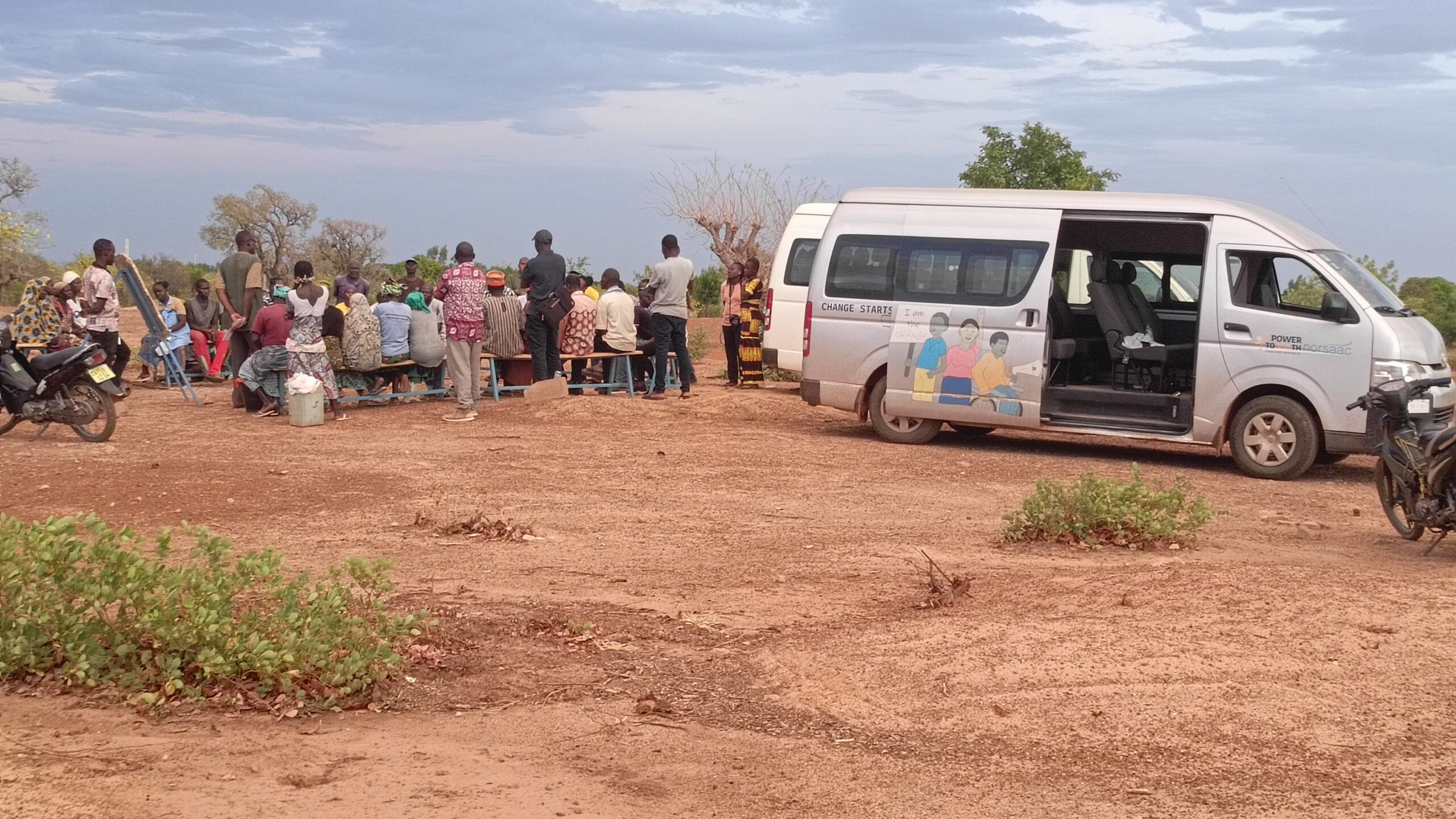
Under the auspices of the Association Nourrir Sans Détruire (ANSD), the first part of the trip allowed the delegation to discover the resilience and ingenuity of the people of Burkina Faso in Gounghin, Tibga, Diabo, and Yantenga communities.
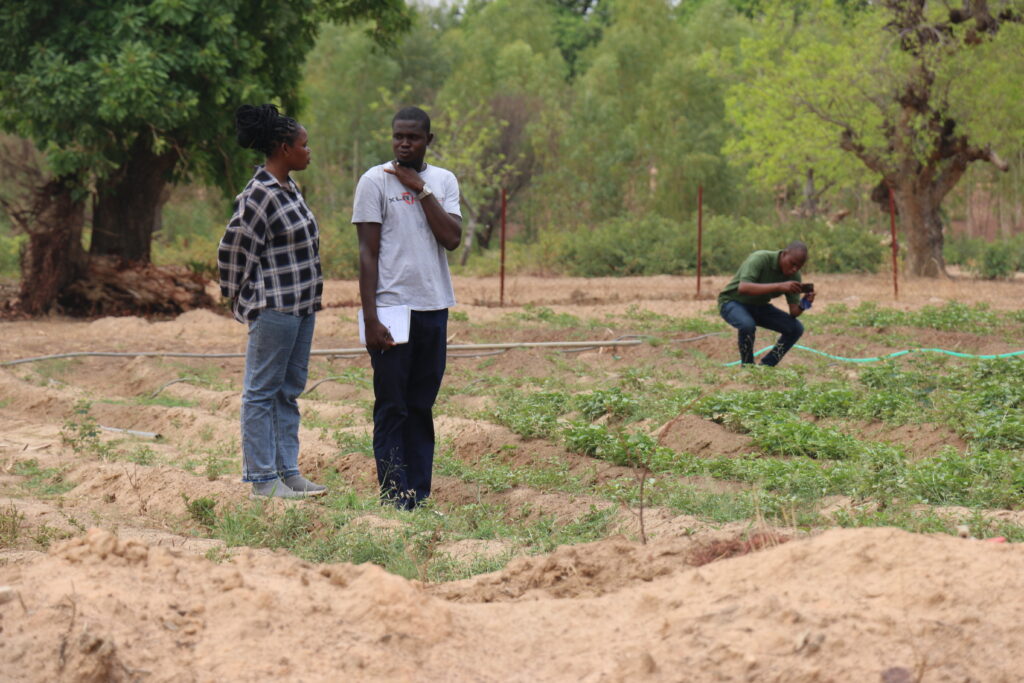
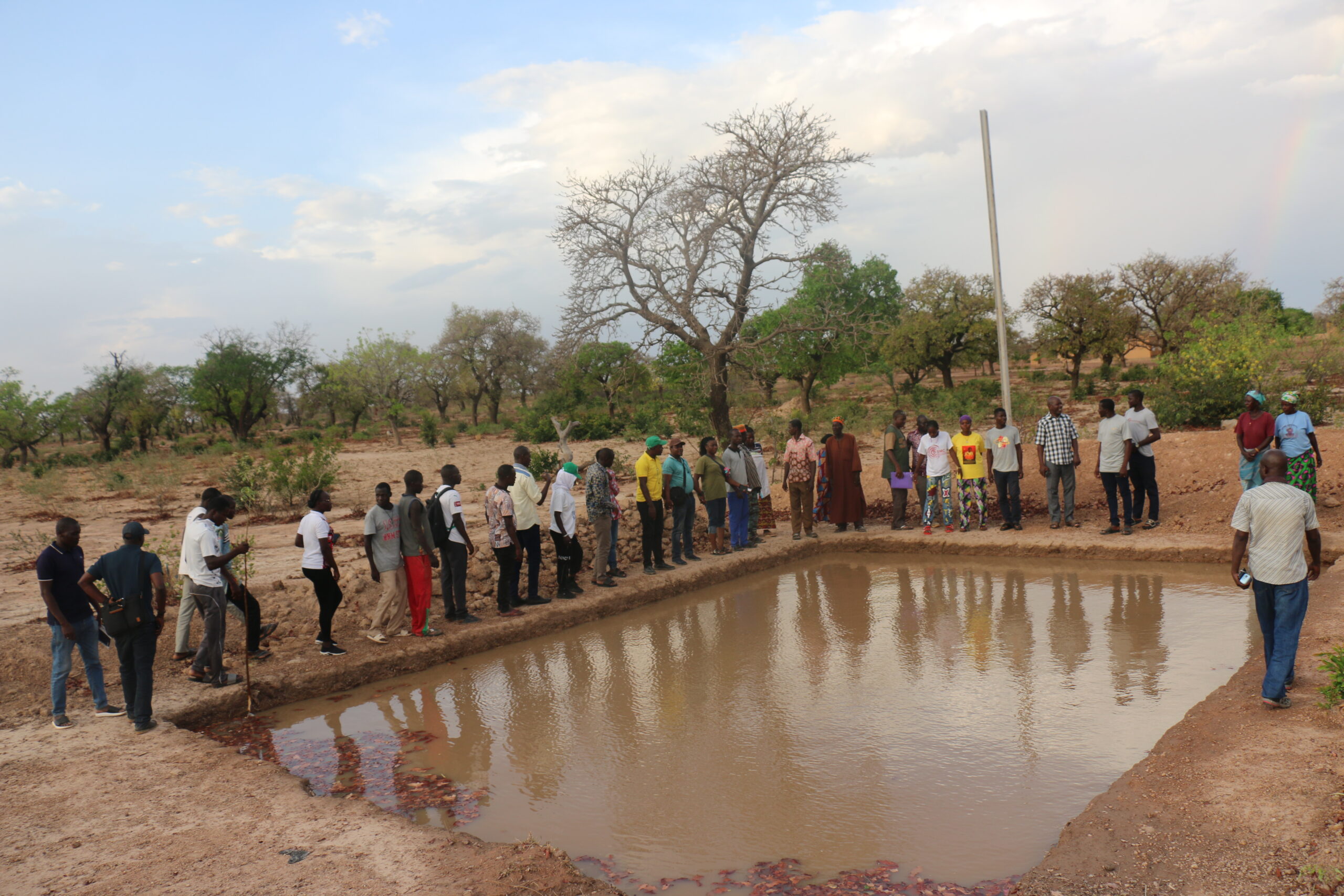
In Gounghin and Tibga, participants witnessed the vital importance of Runoff Water Collection Basins (BCER), catchment trenches, and swales (infiltration ditches) used for off-season vegetable farming. These agroecological techniques support water and soil conservation , improve yields, and are especially important in the Sahel, where water is scarce and droughts are frequent.
Local Development and Empowerment
The stops in Diabo and Gounghin highlighted the central role of women in the agroecological value chain. The caravan participants observed the meticulous work of women’s groups producing attiéké and shea butter, showing how local processing creates wealth and strengthens the economy of rural households.
The women shared how they co-create and strengthen their group dynamics and strategies to grow their enterprises. They were happy to share best practices, lessons learned, some challenges, and future plans with the youth.
The visit to the Yantenga farm further showcased an integrated model of sustainable agriculture where every resource is optimized.
This diversity of activities completely changed the perceptions of the visiting participants, revealing unexpected realities. Anaby, a young field officer from Agrecol Afrique in Senegal, shares:
“It was my very first time seeing the half-moon farming technique in real life. I also learned something new: I had no idea that attiéké production was linked to agroecology. It’s fascinating to see how these practices fit into the entire value chain.”
For Evans NIEKUU, a Ghanaian caravanner working with our partner CIKOD, the Sahelian ingenuity in the face of water scarcity was a true source of inspiration:
“We saw a lot of things, particularly regarding water and soil conservation, that we’re going to try out back home.”

Second Stop: Immersion in Ghana’s Agroecological Rural Enterprises
In Ghana, caravanners explored and drew inspiration from the integration of various intervention models around innovative local enterprise development. This included value chain processing of baobab, moringa, shea, pawpaw, and other core traditional food trees and plants, as well as fish farming and integrated farming systems. These visits were facilitated by partners of the Ghana Agroecology Movement, including ORGIS in Paga, Women and Orphans Movement (WOM) in Bolgatanga, Center for Ecological Agriculture and Livelihoods (CEAL) in Walewale, Urbanet Ghana in Tamale and the Opoakpajor Youth Development Center (OYDC) in Techiman.
ORGIS and WOM support rural enterprises led by marginalized community members, including widows, women, and rural farmers. They develop value chains for selected tree species to preserve local biodiversity while also innovating business models that elevate the financial and social statuses of their target groups. ORGIS, for example, maintains baobab and shea nurseries, where they produce seedlings that are distributed to community members free of charge. The lesson was that when trees are valued economically and culturally, they are more likely to be protected, replanted and preserved, while also improving livelihoods for many households.
URBANET GH and CEAL, our newest partners in Ghana, promote integrated agroecological models across Northern Ghana, including drought-resistant seeds, composting, mixed cropping, dry-season irrigated vegetable production, keyhole gardens, tree integration on farms, bio-fertilizers, and appropriate tools to ease labor-intensive practices like planting and tilling. The caravanners saw these practices applied in different cultural contexts. They also interacted with Community Agroecology Committees, learning how their collective action strengthens the adoption of these practices.
The caravan then traveled to Ghana’s transition ecological zone to visit the OYDC in Techiman, where vegetative cover is much denser than in the Sahel.
There, participants learned more about agroecological entrepreneurship and diversification, such as fish farming, vegetable and crop production, livestock rearing, and mushroom cultivation maintained through integrated and nature-based solutions.
Participants from Burkina Faso found an immense source of technical and entrepreneurial inspiration there. They also benefited from hands-on training in liquid bio-fertilizer production and mushroom cultivation. Their stay at the OYDC center further convinced participants that agroecology can feed the world and restore degraded ecosystems.


Youth Agroecology Caravan: Key Takeaways
On the final day of the caravan, there was a debriefing session where participants reflected on their impressions, observations, lessons learned, and opportunities ahead for advancing agroecology.
As Hubert Bourgou, a technician at ANSD, shared:
“What struck me most was the farm owner’s resilience. There is a true integration of activities and a strong interdependence between the farm’s different sectors. He has succeeded in establishing an efficient system with three levels of integration.”
For producer Kobori Namoussa, the visit deepened his learning and commitment:
“I learned a lot from the tour. But what impressed me most was the production of fingerlings and the manufacturing of fish feed. Since I was already involved in this field, this visit really reinforced my commitment. I now plan to pursue this and make it my area of specialization.”
Across the delegation, participants exchanged ideas on ways to strengthen their engagement and further encourage youth involvement in agroecology within the Groundswell International West Africa network and beyond. They identified key economic opportunities, such as dry-season vegetable production, mushroom production, fish farming, and the marketing of various organic products for cosmetic, edible, and agricultural use. They left with renewed motivation and pledged to be active contributors to sustainable development rather than mere spectators.

Youth Committed to Food Sovereignty
Groundswell International West Africa Regional Coordinator, Mr. Tsuamba Bourgou, confirmed that the caravan has achieved its goals of inspiring future careers in farming and rural enterprises.
“Our idea is that if young people can see what is happening in different countries, it can inspire them to get involved in agriculture and rural entrepreneurship themselves and those are the indications so far.”
This exchange has reinforced a key belief within our network: that West Africa’s agricultural future rests on shared experiences and learning, driven by a connected youth network and inspired by solutions rooted in their own local contexts.
Sustaining a Youth Agroecology Network in West Africa
Though a strong activity in its own right, the caravan’s achievements need to be complemented by sustained ground-level support for youth seeking to replicate some of the technologies and initiatives they observed.
Groundswell International is exploring ways to provide financial support, continuous mentoring and more exposure to help youth flourish in their endeavors. This caravan will become an annual regional activity, expanding opportunities for more youth to learn, connect, and explore solutions, with plans to scale it at the country level with partners. A youth agroecology network is set to emerge within our Groundswell West Africa network in the coming months as a build-up from this Youth Caravan.
Authors: Freda Pigru (Groundswell International) and Vanessa Combary (Association Nourrir Sans Détruire)