
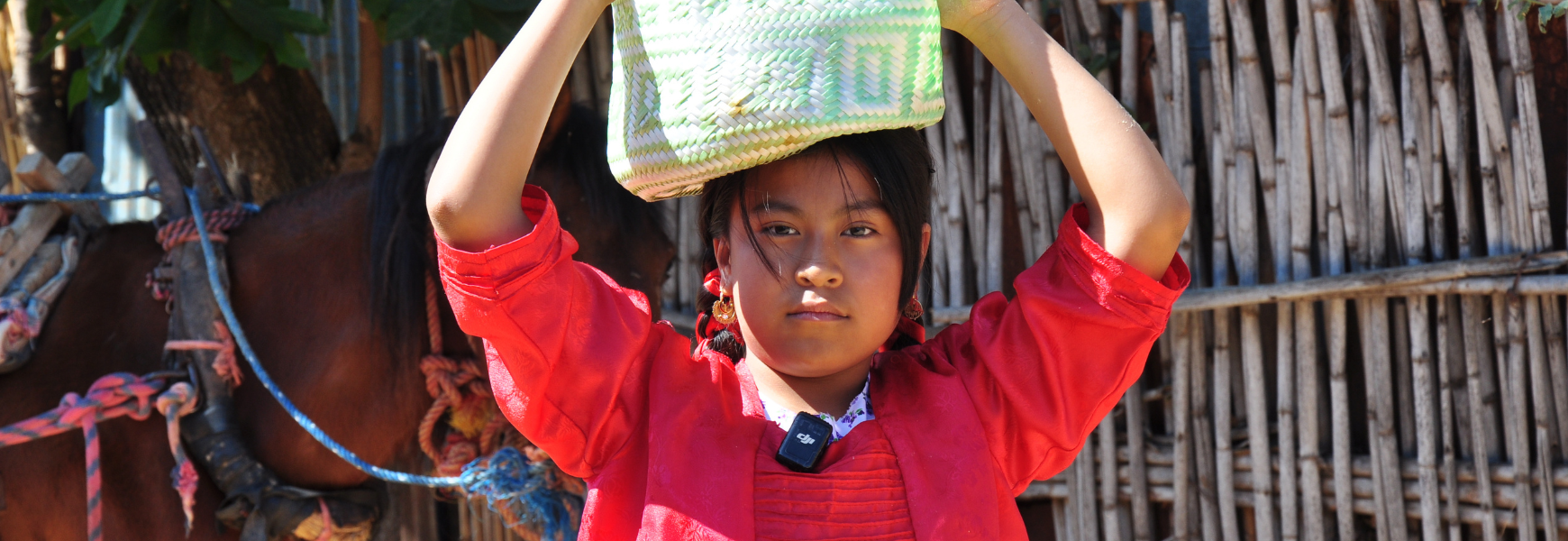
The Women Who Feed Us: 15 Youth-Led Films Honoring Women Farmers
"This is an opportunity for the world to know the strength, courage, capacity, ingenuity, and autonomy of rural women in sustaining life, creating wealth, and caring for the land every day." — Davelienne Toriste, youth storyteller, Haiti
What does a woman farmer’s day look like in the hills of Nepal? What does it mean to save seeds in Central America when decades of industrial agriculture have displaced traditional knowledge? What does it take to challenge a patriarchal tradition, and bring about social change?
For the past three weeks, these are the questions youth from smallholder farming communities have been answering on film. Their short films premiered at our Field to Film Festival, an annual youth-led event showcasing how communities build fair, regenerative food systems through agroecology. Each film is produced by rural and Indigenous youth participating in our Youth Storyteller Program—a program that equips them to document their communities’ transition to agroecology, in their own words and ways. For the 4th edition of the festival, they turned their cameras toward the women sustaining their fields, cultures, and futures. But why does this matter?
According to the UN Food and Agriculture Organization (FAO), women make up 41% of the global agricultural workforce, rising to 71% of all working women in South Asia. In much of the world, they are the ones responsible for feeding communities and carrying agricultural knowledge across generations. And yet their work often goes unrecognized. They remain largely absent from the decisions that shape the systems they sustain, and earn less than men for the same work. They face barriers such as limited access to land, tools, credit, and training, which directly limit what they can produce. These inequalities are compounded by climate change, economic instability, and political exclusion.
The FAO estimates that closing this productivity gap alone would reduce the number of food-insecure people worldwide by 45 million and add nearly $1 trillion to the global economy.
The United Nations declared 2026 the International Year of the Woman Farmer in recognition of this injustice. We chose the same theme for this year’s Field to Film Festival: to make women’s work, bravery, solutions, and knowledge visible.
As youth storyteller Davelienne from Haiti shared during the Latin America & the Caribbean festival,
“This is an opportunity for the world to know the strength, courage, capacity, ingenuity, and autonomy of rural women in sustaining life, creating wealth, and caring for the land every day.”
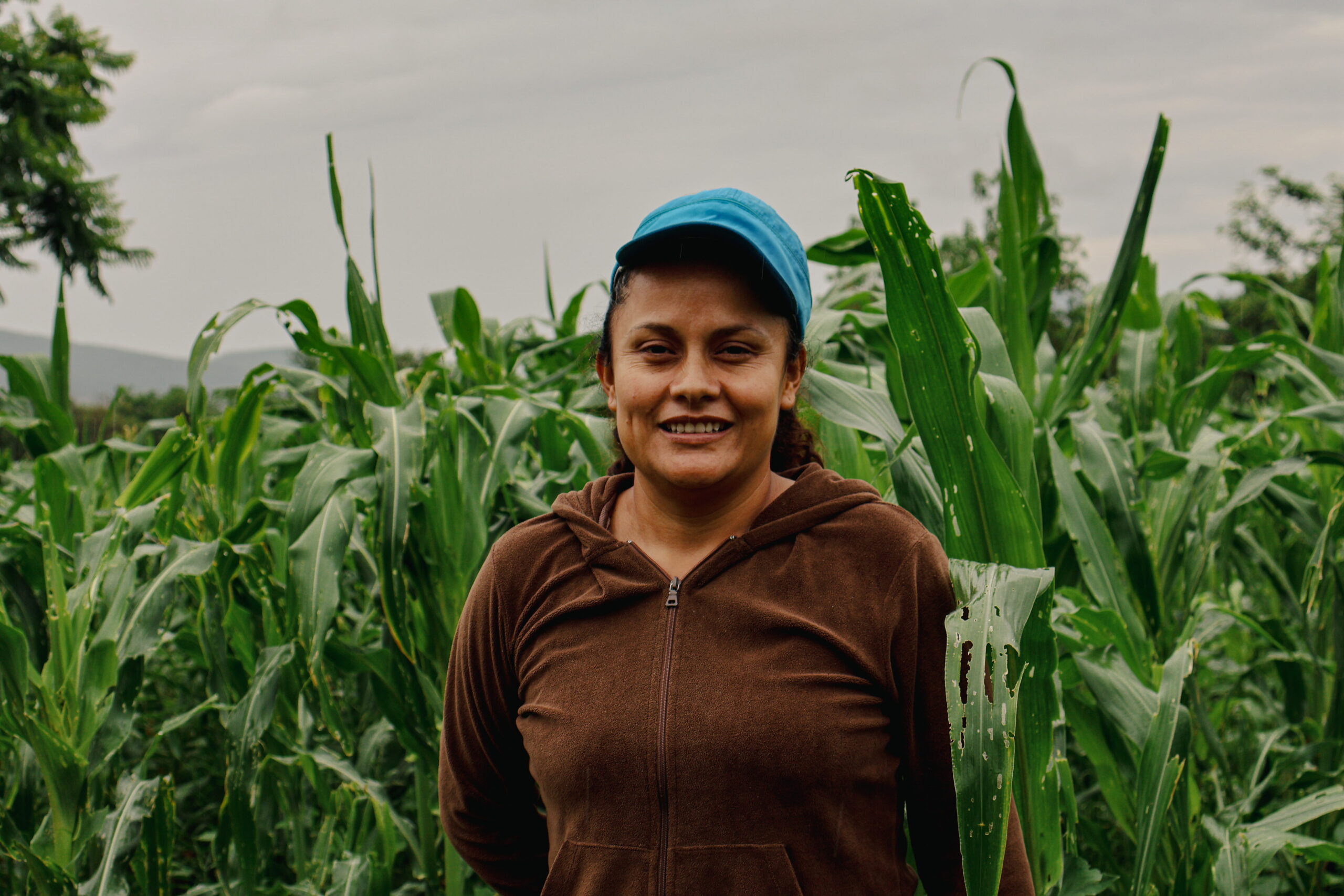
Youth voices on the role of women in agriculture and beyond
Behind every film is a young person who spent weeks, sometimes months, listening to the women in their community—sitting with them in their fields, following them through their days, capturing their thoughts and emotions. For many of them, the process changed how they see the women in their territories, and helped them recognize their own roles as young women. Here are some powerful quotes from the panel discussions we had with youth at each festival:
Naomi, a youth storyteller with Centéotl in Mexico, on what her team discovered in Santa Ana Zegache, Oaxaca:
“We discovered that rural women have been the heart and strength of communities in Oaxaca. They’re not only working the harvest, but sustaining their families, preserving traditions, and passing on knowledge from generation to generation. This story showed us that we have a real opportunity for development in our community, rescuing knowledge that contributes to the production of healthy food, care for nature, and respect for rights — especially of women and youth.”
— Naomi, youth storyteller, Mexico
Lenin Pallo, a youth storyteller from Ecuador, on what he discovered while filming:
“I felt I wasn’t just recording an interview, but that I was showing the strength and struggle of many women who work in silence. This pushed me to keep going, because there are many more women like them whose stories deserve to be heard.”
— Lenin Pallo, youth storyteller, EkoRural, Ecuador
Heidy, a youth storyteller with ACESH in Honduras, on how the experience shifted her own sense of purpose:
“We stopped being simple narrators and became witnesses to (women’s) resistance. Today we are not just presenting a film: we carry the commitment to keep amplifying the voices that sustain rural life.”
—Heidy Concepción Varela Rivas, youth storyteller, Honduras
Alimatou from Senegal on why sharing women’s work and contributions matters:
“Through this film, we wanted to highlight their work, their commitment, and their importance in food security and the development of rural communities.”
—Alimatou Diop, youth storyteller, Senegal

Field to Film Festival: Youth-made films celebrating the women farmers sustaining their land, culture and futures
This year’s film festival features 15 short films born at the heart of smallholder farmer communities across the Americas, South Asia, and West Africa. They aim to highlight the central role of women farmers in farming and food systems, offering stories and insights that are captured by the young people who live these realities daily.
What emerges across these films is not a single portrait of a woman farmer, but an authentic look at the diverse ways women sustain land, culture, and communities across the world. Here are some film highlights:
A day in the life of a woman farmer, Nepal
Youth storyteller Sumitra follows Bishnu through a full day in the hills of Nepal. Viewers see Bishnu tending livestock, working in her garden, attending her women’s group meetings, cooking for her family, and doing household chores. The film lets the day speak for itself. It captures a reality many women share: moving between roles that most people would count as several jobs in a single day. We see Bishnu as a farmer, caregiver, community member, household manager, and more.
Sumitra is a young woman farmer herself. When asked what she wanted audiences to take away from her film, she didn’t hold back:
“A woman can manage her entire household and care for her children all by herself, without any help from a man. She can even earn enough from her work to cover the children’s school fees. We women have no free time, from waking up in the morning till crashing into bed at night. But men? They do one small task, come home, pick fights over nothing, and end up yelling at or abusing women. To break free from that kind of treatment, we women have to become independent first.”
Women-owned nutrition gardens for growing resilience, Nepal
Another film follows a women’s group in Sarhali, Nepal, as they describe how their lives changed after moving away from chemicals. A joyful stroll through their family gardens shows what can happen when women organize to pool resources, work together for the common good, and have a voice in decisions that affect their futures.
In these kitchen gardens—small family plots to make the most of available land—women grow a variety of local nutritious food without chemical fertilizers or pesticides. They prepare their own inputs, including Jholmal, a liquid fertilizer made from locally available materials that doubles as a pest repellent. One woman reveals how her decision to leave chemical farming behind changed more than her harvests:
“Before, we used to eat vegetables full of chemicals. I used to have body aches and tingling in my hands and feet from eating them. After I started my own kitchen garden with natural fertilizers, these problems have reduced. Now I am healthy, my children are healthy, and my whole family is healthy.”
— Bishnu Kumari Shrestha, farmer, Sindhuli, Nepal
Bimala Shrestha, who produced the film, explains: “I hope my film will impact audiences by showing the positive changes, enthusiasm, and happiness of women who practice agroecology. I believe that seeing their joy and transformation will deeply inspire people, both locally and globally.”
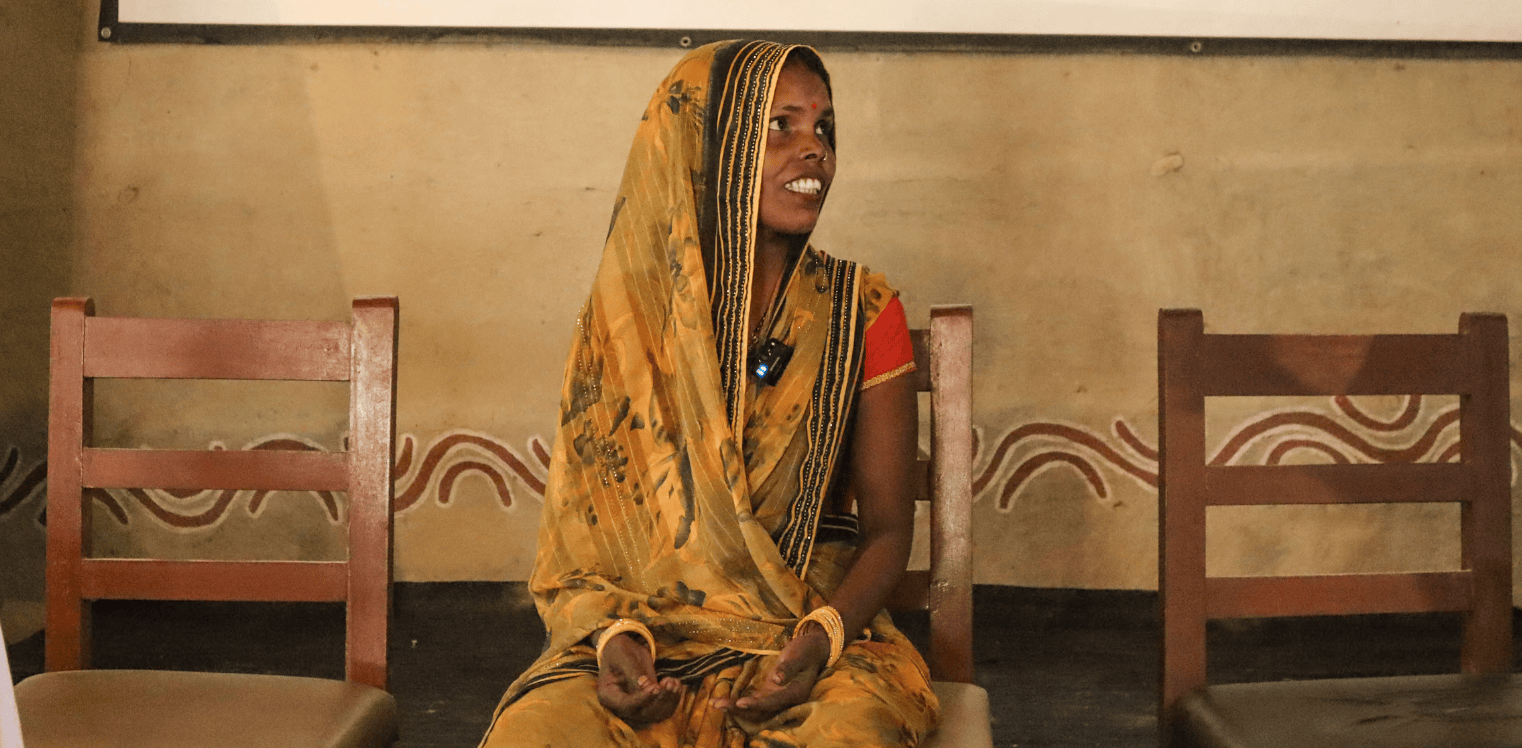
Women challenging patriarchal tradition through collective action, Nepal
In the short film From Veil to Leadership, youth storyteller Kashmira Bishowkarma documents the Ghumto Pratha—a tradition in Nepal requiring married women to cover their faces with a sari or veil in front of men. Wanting to denounce the practice and show how women in her community broke free of it, she interviewed members of a local women’s group to understand how and when they decided to lift their veils, and to inspire others to do the same.
Sanjita Mahato, one of the women featured, describes what life under the Ghumto felt like: “I could not show my face to anyone and had to stay inside the house with my veil on. I used to look outside through small cracks in the wall. If I even looked out through the cracks, people would gossip, saying, ‘Look, the daughter-in-law is peeking out, that’s bad.'”
Another group member recalls the moment things began to shift: “In the beginning, I would sit with my veil down, shy and reserved in front of my facilitator. It has been one year and six months since I joined the women’s group. Slowly, I gained confidence. Now I’m not afraid and no longer cover my face. Sometimes I even go out to visit different places (…) and people call me by my name.”
Little by little, this act of resistance spread across communities. In the villages featured in the film, the practice has largely disappeared—evidence of what collective organizing can accomplish when women have the space to challenge patriarchal norms and reclaim their autonomy.
Watch the festival replay and 4 short films about women farmers in Nepal
From excluded to leading, Haiti
In Haiti, another film documents the shift in women’s roles in agriculture over time: from being excluded from decisions, training, and income, to becoming farmers, traders, and community leaders. Women in the film describe how access to knowledge, land, and organization changed their roles in their communities. It shows that the barriers women face aren’t inevitable but the result of systems, and that with the right community-led, ground-up approach, these systems can change.
One woman describes what that shift looked like on the ground:
“In agriculture, women often had no say. It was easier for them to stay at home, and when there were agricultural activities, they were more involved in preparing food. (…) But with the arrival of PDL, women now lead the organizations. They teach in schools. They don’t leave agriculture to the men alone; we also help them.”
Harvesting knowledge, Honduras
This film follows Carmen, a young farmer worried about her unproductive parcel, as she searches for solutions beyond chemical fertilizers. Guided by the advice of Doña Francisca and other women in her community, she learns to prepare and use mountain microorganisms to restore soil health. Along the way, Carmen discovers the importance of collective learning through women’s networks and local organizations. The film hints to the role of women as essential guardians of farming knowledge and memory, helping communities implement practices adapted to their local environments.
Watch the festival replay and 7 short films celebrating women farmers in Latin America & the Caribbean
Agroeocology and women’s access to land, Burkina Faso
Women in eastern Burkina Faso face barriers to land, seeds, fertilizers, tools, and training due to social norms. In this film, producers like Mariam and Fati Balima share how participating in long-term training, sharing seeds, and creating income-generating activities like soap-making have enabled them to access land, improve crop production, and gain economic independence. Ousmane, one of the youth storytellers behind this film, shared:
“Agroecology is the foundation of a village economy that sustainably strengthens women’s dignity and financial independence. These women producers are the real experts. They prove to us that agroecology is not just a technical theory, but an act of resistance and sustainability in the face of current crises.“
Women sharing farming knowledge, Ghana
This film follows Madam Grace Sanker, an experienced agroecological farmer from Northern Ghana. The film highlights her daily practices for sustaining crop fertility and producing nourishing food while sharing knowledge and resources with her neighbors. Arnold who produced the film explains:
Watch the festival replay and 4 short films on women farmers in West Africa
What we’re building toward
Through our global network of local partner NGOs, we invest in women-led community organizations like saving and credit groups, create farm tools designed for women to decrease labor burdens, and support the next generation of women farmers to share their own stories and perspectives. Our Program Director Rebecca Wolff reflects on what that work means:
“Being part of this network is a powerful reminder of what we can accomplish when women carve out their own spaces and come together as a global community. We are leaders, farmers, partners, daughters, entrepreneurs, innovators, and much more. The many roles we play, the challenges we face, and the stories we tell are what make us powerful, and give us the skills to reshape the world for the better.”
—Rebecca Wolff, Program Director, Groundswell International
As we work to uplift the work and the voices of young people, we invite you to watch the films. Listen to the youth panel discussions. Share them and talk about them to amplify the voices of youth and women farmers. Their stories are threads that show what a healthy future can look like, and we all have a responsibility to weave and create that future together.
👉 Watch the festival replays and short films: Latin America & the Caribbean, South Asia, West Africa
👉 Support youth and their communities