
“These Tools Have Changed The Way We Farm”: Appropriate Tools Are Making Farming Dignified Again in Ghana’s Savannah Region
By Salma Abdul-Rashid, communications manager at URBANET Ghana
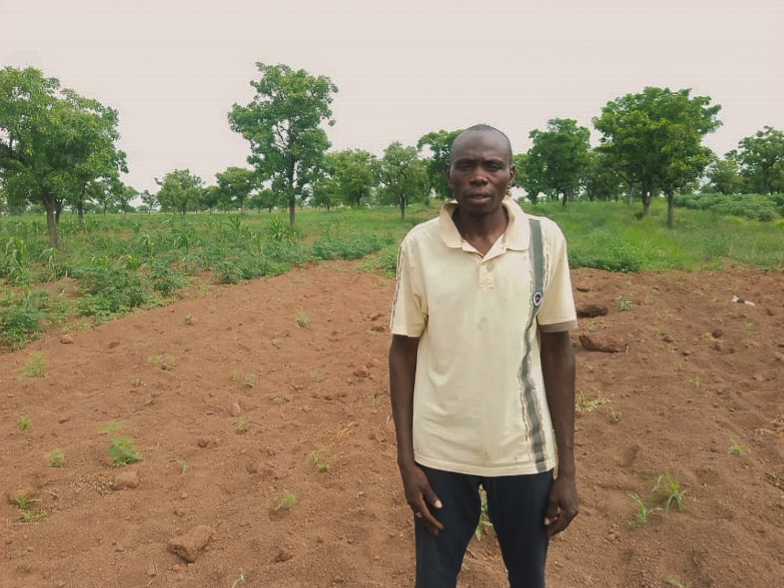
Abdul Latif Issah, a 38-year-old farmer and respected community leader in Mahamuripe, Central Gonja District, is a husband and father of five. He serves as Secretary of the local community’s Agroecology Committee*, coordinating learning sessions, mobilizing farmers, and documenting community progress. Farming has always been central to life in Mahamuripe, providing food, income, and cultural identity. Yet, like many rural communities, Mahamuripe has faced challenges that threatened productivity, resilience, and the adoption of modern agroecological practices.
For years, farmers relied on crude tools such as short-hand hoes, worn-out cutlasses, and simple sticks for ridging. Preparing a field could take several days, and women and the elderly often struggled due to limited strength. These challenges slowed farm activities, reduced the area farmers could cultivate, and lowered crop yields. Even when agroecology training was available, practices like composting and mulching were difficult to adopt without proper tools. Women often had to wait for men to finish using the only available hoes, and seed broadcasting was rampant, wasting resources. While the community had some knowledge of agroecology, they lacked the means to apply it effectively.
Through URBANET’s agroecology support, the community at Mahamuripe received essential farm tools, including hoes, Wellington boots, cutlasses, axes, and protective gloves. Under Abdul Latif’s leadership, the Agroecology Committee ensured fair use and communal storage to guarantee access for all. A demonstration plot was established where farmers practiced using the tools for composting, mulching, planting, and farm maintenance. The committee also trained farmers on proper tool handling and record-keeping to ensure long-term use and sustainability.
Abdul Latif shared how accessing these simple tools changed his daily work: “Almost immediately, farming activities became faster, lighter, and more efficient. Land preparation that used to take several days can now be completed in just one day. The tools made work manageable, encouraging more women and youth to participate in agroecology demonstrations. Compost pits were prepared quickly, mulching was completed on time, and vegetable gardens were properly maintained. Farmers expanded their cultivated fields, improving yields and diversifying household food sources.”
“These tools have changed the way we farm. Before, we struggled with our hands, but now we work faster and better. We can compost, mulch, and plant on time. Productivity has increased, and our people no longer fear farming: we really enjoy it.”
Abdul latif, farmer, ghana
The availability of tools has strengthened collective action in Mahamuripe. Farmers now collaborate more effectively, support one another, and manage shared resources responsibly through the committee. Young people who once showed little interest in farming are now actively participating, as agriculture has become less physically demanding and more dignified. Household food security has improved, income opportunities have expanded, and the community is emerging as a model for organized agroecological practices in the Central Gonja District.
“What seemed like simple farm tools has grown into a catalyst for unity, improved livelihoods, and climate-resilient farming for generations to come. We thank the URBANET team and Groundswell International for their support and the opportunity to transform our community. We will continue to work together until the entire community embraces agroecological principles.”
To learn more about Groundswell International’s approach to working with local partners and farmers to build appropriate farming tools, head here.
| *What are Agroecology Committees? |
|---|
| An Agroecology Committee is a community-level structure, typically made up of 5 to 7 members democratically selected to represent women, men, youth, and people with disabilities. Its core function is to strengthen a community’s capacity to plan, mobilize resources, implement, monitor, and document agroecological innovations while also serving as the community’s official voice on agroecological issues in dealings with local government, agriculture offices, NGOs, and the private sector. |
About our local partner Urbanet
URBANET is a social impact organization committed to the principles of social justice and human rights of the poor and the vulnerable segments of the society in Northern Ghana. URBANET operates in communities suffering from a high degree of poverty, food insecurity, poor diet quality and gender inequality. They focus on addressing the socio-economic vulnerabilities of marginalized groups, including women smallholder farmers, unemployed youth, and persons with disabilities. By empowering these groups, they aim to enhance their social and economic wellbeing.
URBANET’s work is structured around four key thematic areas: Agriculture and Food Security, Women and Youth Empowerment, Environment and Climate Change, Nutrition and Health.
Learn more: https://urbanetgh.org/