Two Years Strengthening Food Sovereignty and Climate Resilience in Guatemala and Honduras: the Rejuvenate Program
Groundswell International, with the support of Citi Foundation, concludes a two-year program strengthening food sovereignty and climate resilience in Guatemala and Honduras
This article was originally written in Spanish: read it here.
After two years of progress, the program Rejuvenate: Agroecology to Address the Food Crisis in Guatemala and Honduras, implemented by Groundswell International in partnership with Qachuu Aloom, AGRIDIVI–Flor del Café, Vecinos Honduras, and ACESH, and funded by Citi Foundation, concluded with significant changes in the lives of hundreds of farming families in the Central American Dry Corridor.
In this region, covering 30% of Central America’s territory and where more than 10.5 million people face recurring droughts, soil degradation, and the loss of agricultural biodiversity each year, the Rejuvenate program strengthened community capacity to produce food, conserve native and creole seeds, manage grain reserves, and organize in the face of climate change. For many families, this process meant reclaiming farming practices that had sustained their livelihoods for generations. As Don Julián Ixpata from the community of Chixim, Guatemala, shared: “Despite the years, we continue planting our seeds and herbs because they feed us, help us earn income, and preserve our roots.”
The program worked with 64 rural communities, engaging 1,162 families and benefiting 2,790 people, including 1,300 women and 621 youth. Seven out of ten participants were women from diverse identities, including Maya, Achí, Xinka, Poqomam, Lenca, and mestiza, who, together with young people, took on leadership roles that restructured community organization and strengthened continuity across generations.
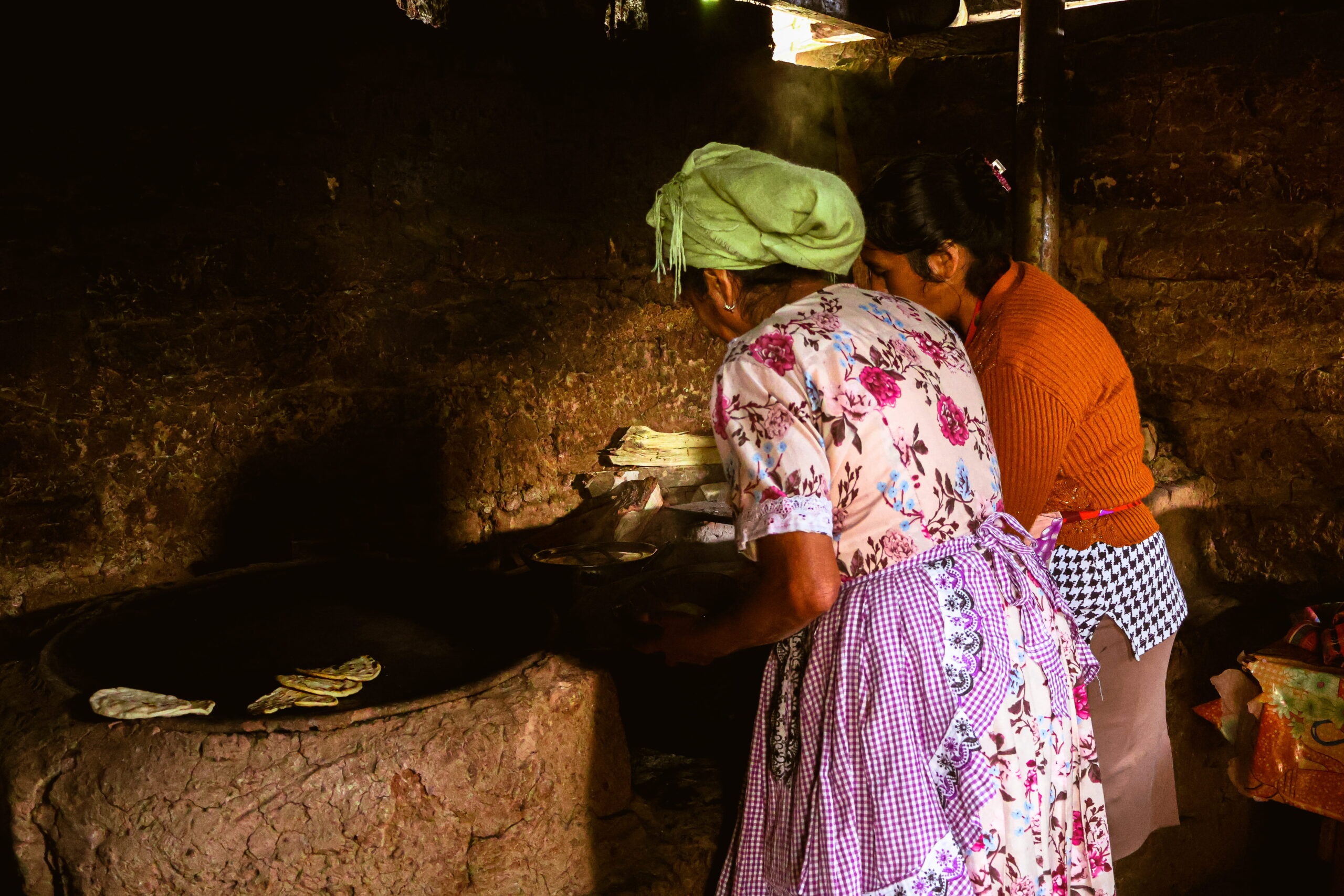
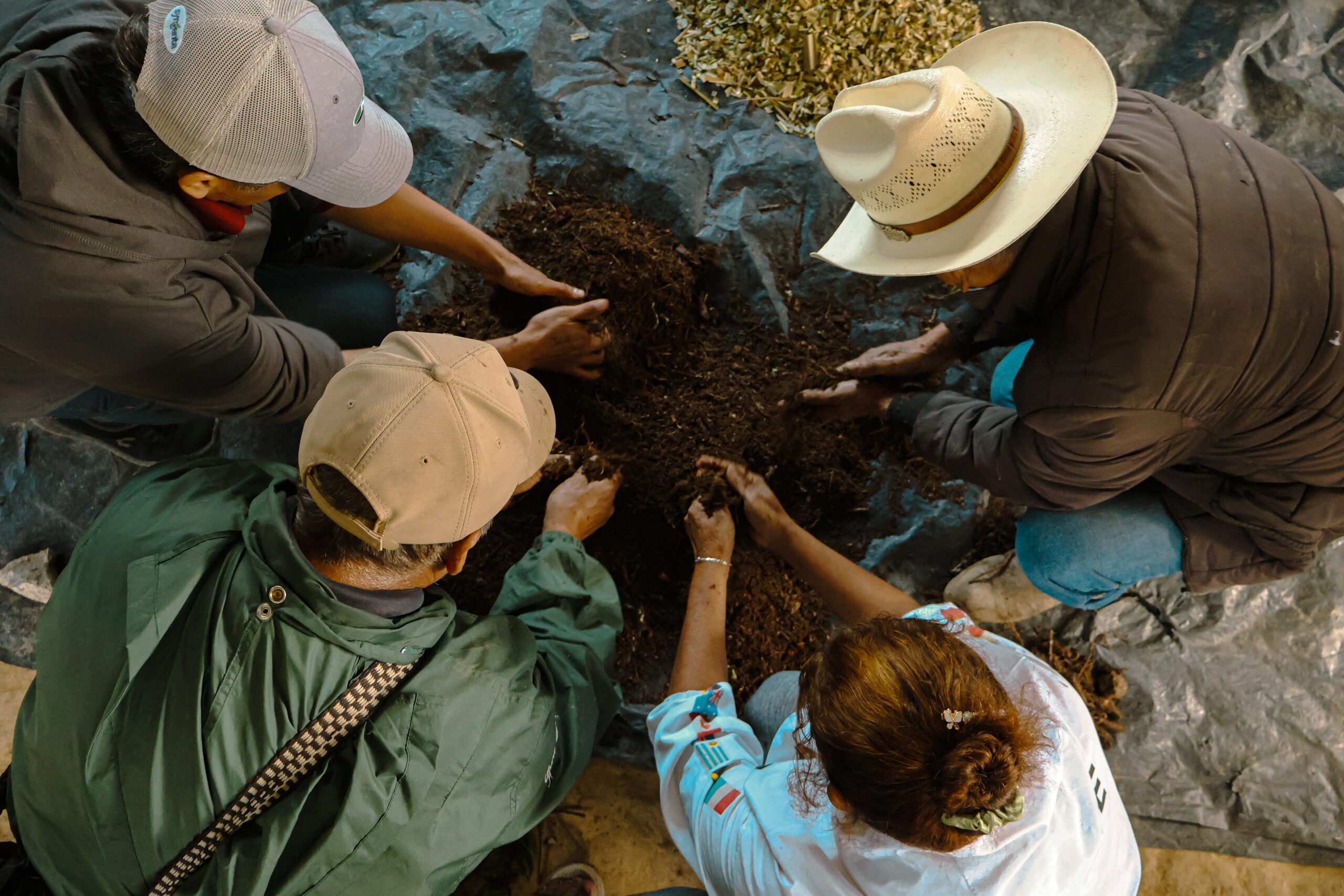
The program supported home gardens and diversified plots with nutritious, climate-resilient crops, while strengthening essential agroecological knowledge. In several communities, degraded soils began to recover through ancestral and natural practices. Etelvina Hernández Román from Pata Galana, Guatemala, an AGRIDIVI participant, shared: “Little by little, we are removing chemicals from the soil; our goal is to produce using only organic inputs.”
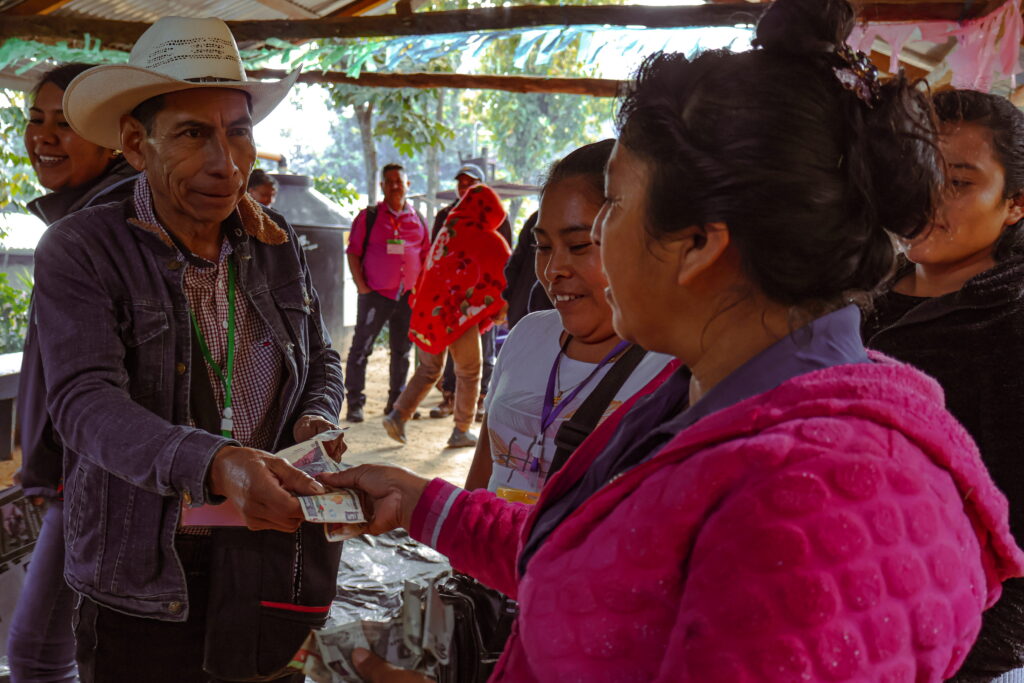
Throughout the program, savings groups and leadership spaces were consolidated, energizing local economies. Members of Vecinos Honduras described this process as an act of optimism: “A seed sprouting in dry soil represents our hope and our ability to regenerate.” This spirit has accompanied the establishment of more than 56 savings groups, the issuance of over 1,700 loans, and the operation of 28 micro-enterprises, helping families strengthen their livelihoods.
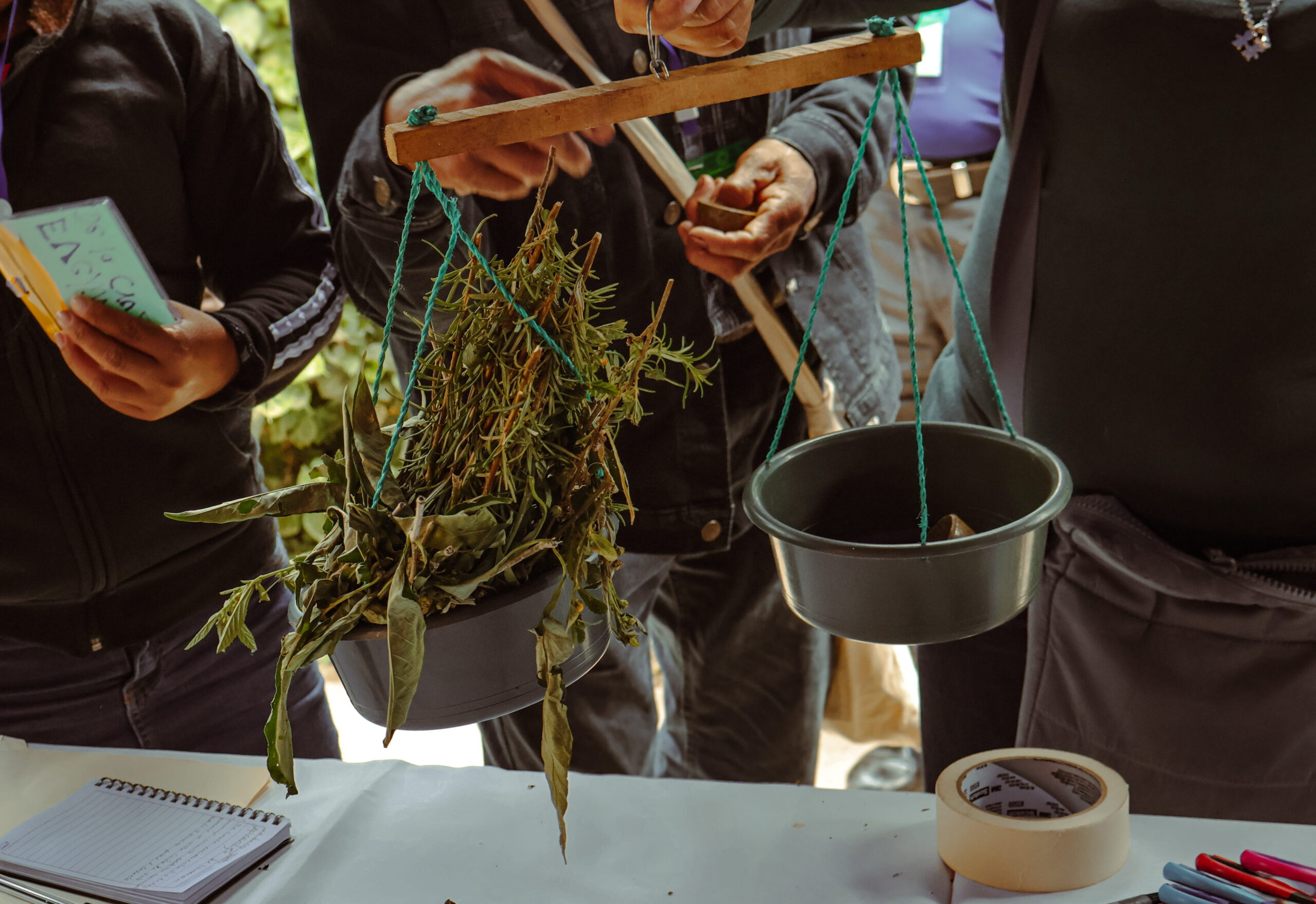
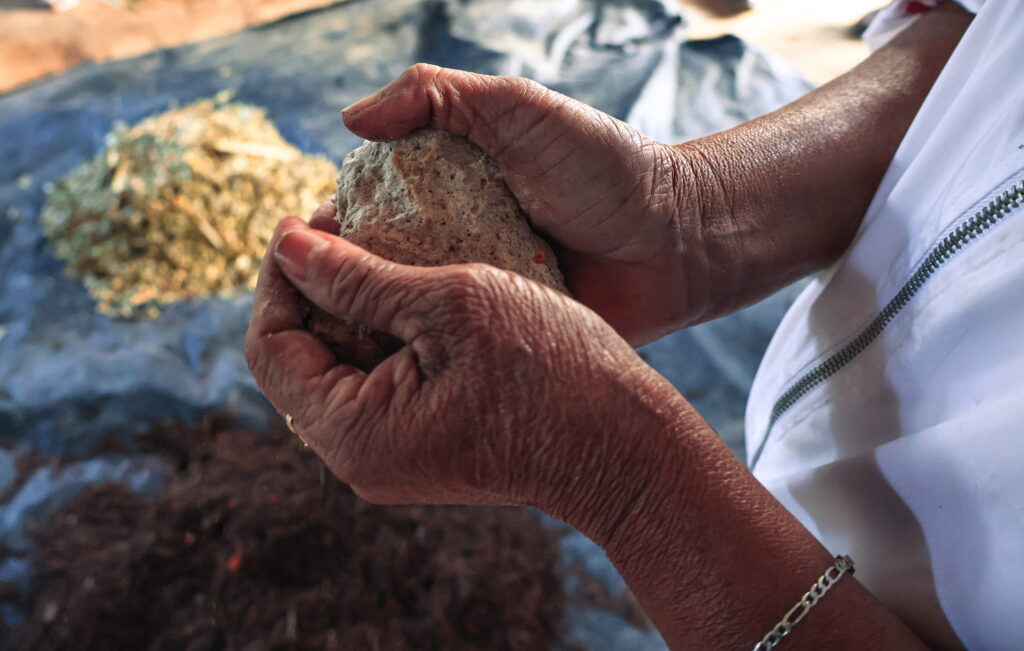
Advances in production and consumption were also notable. Communities established 40 community grain reserves and 21 seed banks, conserving more than 100 native varieties adapted to the soils and climates of the Dry Corridor, including amaranth, chipilín, creole maize, beans, cassava, and medicinal plants. In total, more than 39 tons of grain were stored, and over 680 home gardens and diversified plots improved access to fresh, nutritious food. Organizational strengthening also translated into renewed collective morale. Francisco Javier Castillo from the community of Granadas Arriba reflected that “with the arrival of the project, our batteries were recharged.”
Key learnings emerged from this process. Food security and sovereignty were understood not only as access to food, but as the ability to plan, organize, conserve seeds, and keep traditional farming practices alive. The recovery of degraded land, improved water management, increased crop diversity, and the creation of municipal agreements to protect local seeds demonstrated that agroecology can transform community, economic, and environmental systems.
The program concludes with sustainable foundations that will remain active and led by communities: grain reserves and seed banks that safeguard local varieties; savings groups that sustain micro-enterprises; local markets that keep economic circulation alive; and regional platforms that enable shared learning and collective action. The Rejuvenate program has created pathways toward more diverse and sustainable food systems, preserving peasant knowledge while strengthening communities’ ability to face the ongoing food crisis in the Central American Dry Corridor.

See the infographic resuming key actions and lessons from the field