Watched the Groundswell documentary? Here’s how to support the farmers doing the work
The Groundswell documentary travels across 5 continents to show how farmers and scientists are restoring damaged soils, retaining water, and bringing biodiversity back through regenerative agriculture. Demi Moore and Woody Harrelson narrate real climate solutions with a hopeful tone – a far cry from the usual doom and gloom of climate documentaries. The argument lands: much of how we grow food is damaging the land and contributing to climate change, but farmers around the world are proving that there’s another way, one that works for people and the planet.
The Groundswell film is part of a trilogy of documentaries from Josh and Rebecca Tickell about regenerative farming, and it has brought the subject to a global stage once again – a much needed conversation, as the movement is real but still faces significant obstacles. If you’re wondering how to actually support it, here’s how you can help and why.
We are not affiliated with the Groundswell film. We happen to share the same name and work with farmers who do similar work on the ground. We are part of the same movement the film celebrates and we have been for over 17 years.
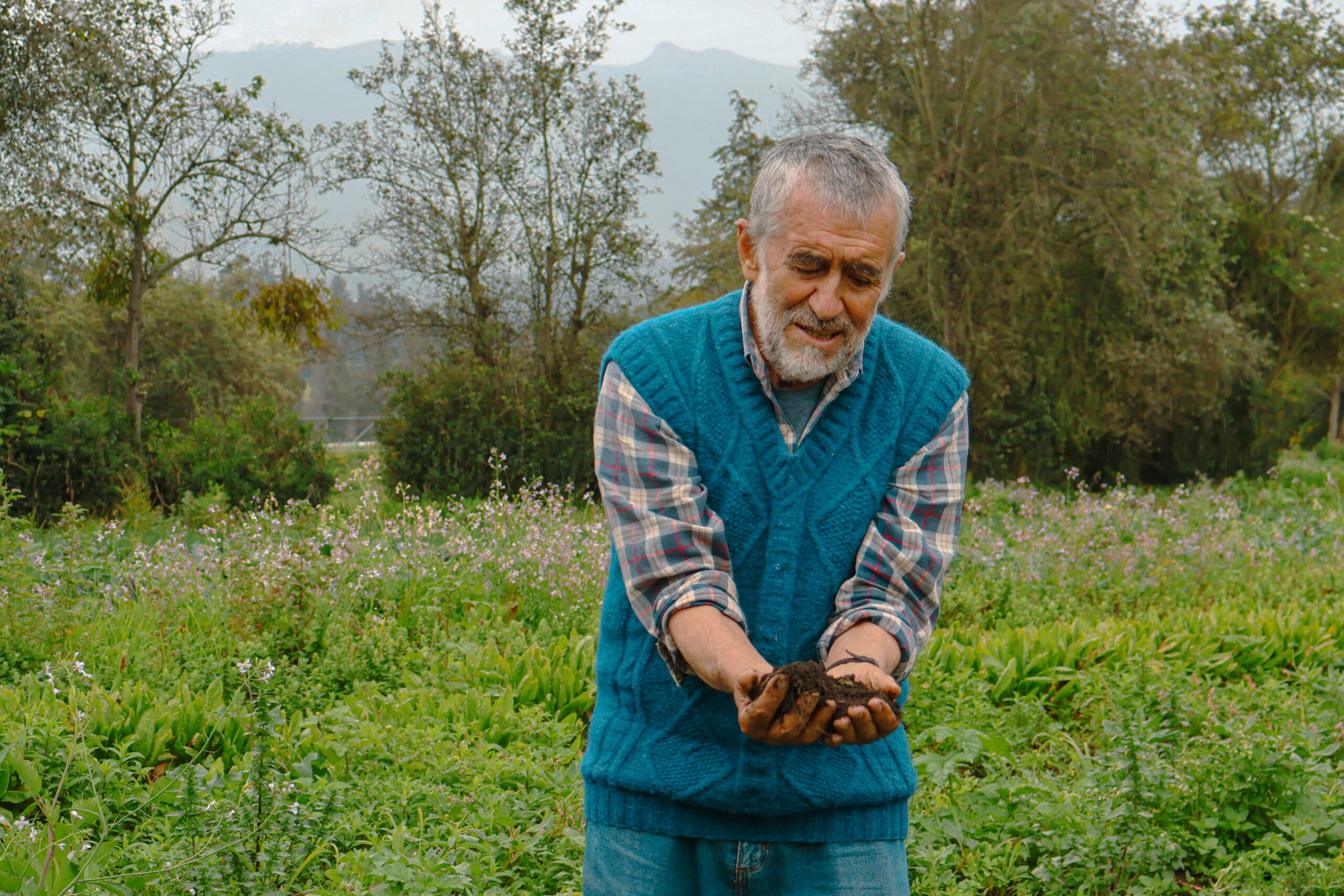
What you see in the Groundswell documentary is work we have been supporting for 17 years
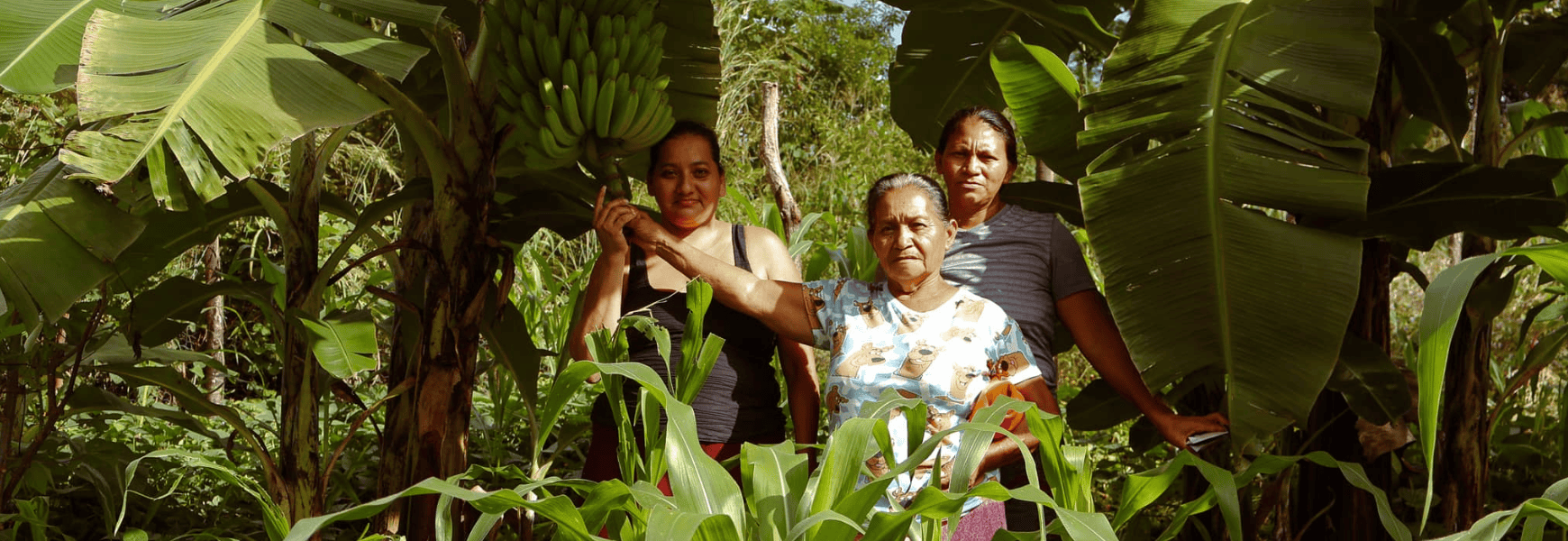
Much of the Groundswell film is familiar ground for us. Retaining water with half-moons and A-frames, diversifying farms, learning from communities living closest to the land, supporting refugees through regenerative community gardens, and more: this is our daily work with farmers across West Africa, South Asia and Latin America.
For 17 years we’ve supported farmers and local organizations putting these approaches into practice, and helped them spread from one field to the next. In 2025, we worked with more than 273,000 farmers across 11 countries, collectively regenerating more than 240,000 hectares and benefiting the lives of over 2 million people. We work in partnership with 16 local farmer-led organizations in 11 countries to test and spread regenerative practices with farmers that lead to healthier soils and improved climate-resilience.
We approach regenerative agriculture through agroecology. It includes many of the regenerative farming practices shown in the film – restoring soil, retaining water, increasing diversity on farms – but it also looks at what happens around the field. It asks who controls land, seeds, knowledge, and markets to create the conditions that support and uplift farmers and their families.
Indeed, restoring soil and biodiversity is only one part of the job. For these changes to last and spread, farmers also need supportive environments, like local farmer networks, access to knowledge, and policies that work in their favor. As farmers connect, learn from each other, and organize to influence local agricultural policies, they help build the foundations that allow regeneration to take root and expand. Our role with our local partners is to support them at every step, equipping them with resources and tools so they can lead this change. By focusing on these enabling conditions, we help ensure that this farmer-led movement can continue to grow, even if our direct involvement ends.
The obstacles the Groundswell movement faces
The reality is, even if the regenerative agriculture movement is “well underway”, it still faces significant obstacles. Agricultural policies, markets and investments still often favor intensive industrial production. A joint FAO, UNDP and UNEP report found that 87% of the $540bn in annual agricultural support it examined was potentially harmful to nature and health. FAO has also found that relatively few countries have made the broad, sustained policy changes needed to support regenerative and agroecological transitions. Just recently, Europe has introduced a series of measures that favor intensive pesticide use, and the US has pulled back from many climate-positive policies.
A farmer can regenerate their soil and still struggle to make a living if the market pays too little for their crops, if affordable alternatives to chemical inputs are unavailable, or if policies continue to favor chemical-intensive agriculture. To ensure we can keep regenerating our world and support the people doing the work on the ground, we must join forces to create enabling conditions.
“We can heal the entire world with our food, or we can totally destroy the world with the way we grow food.”
GROUNDSWELL DOCUMENTARY
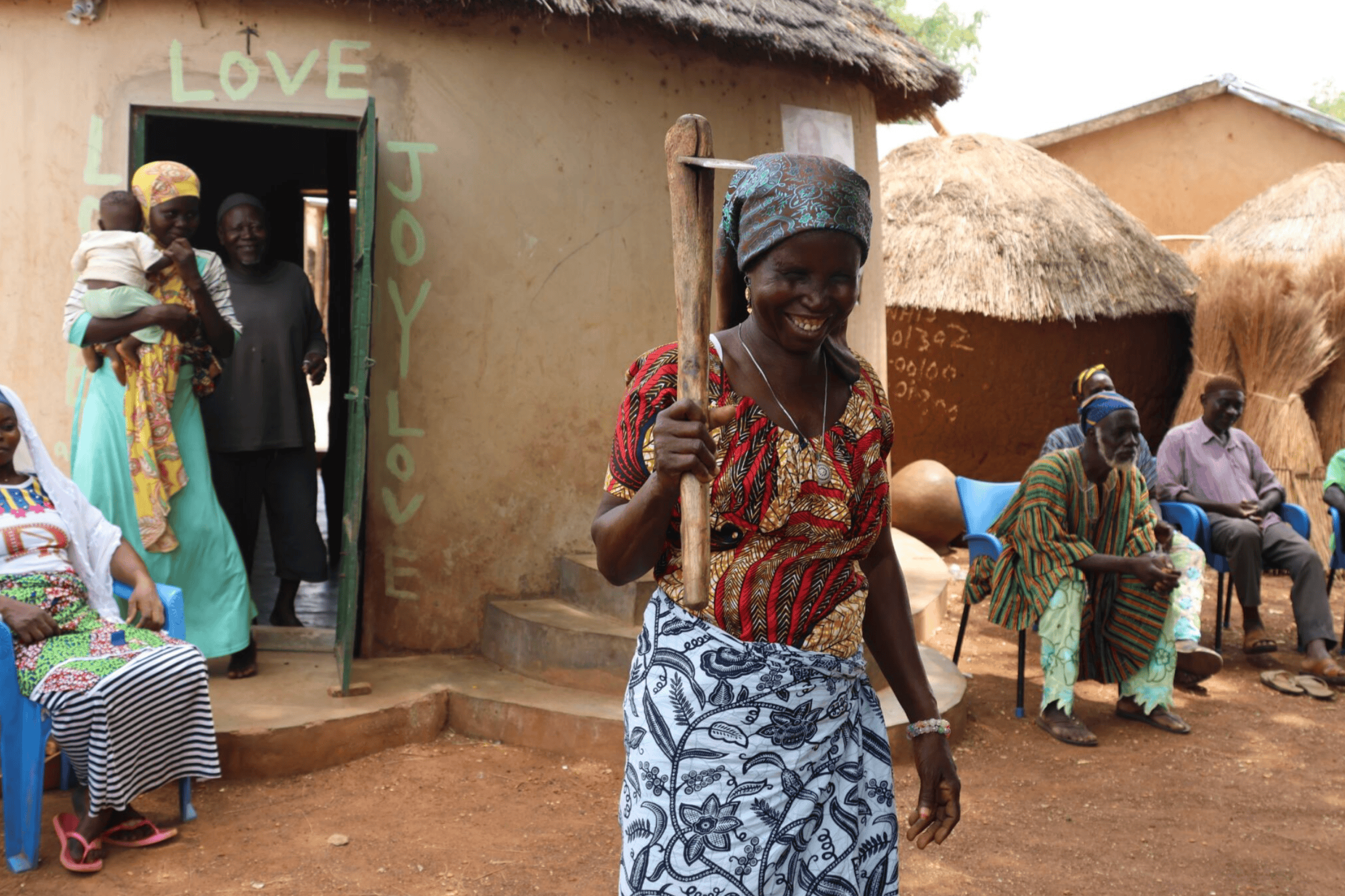
How you can support the Groundswell movement
The Groundswell film shows a better food system is possible and already underway. At the end of the documentary, farmer and music producer Andy Cato says, ”All of this stuff is doable. We don’t need any new invention, any new technology. And for the movement to build at the speed and scale that the ecological reality demands, we just need to choose to do it.”
Combining choice with action is even better!
If the Groundswell documentary left you wanting to do something, supporting farmer-led work is one easy place to start.
- Support farmer-led regeneration: When you give to Groundswell International, your support funds programs that equip farmers with training, tools, and spaces for them to build and advance regenerative climate solutions rooted in local knowledge and culture. Because we are a network, practices and learnings spread from one farmer to the next, beyond the countries we work in. Make a gift to support farmers’ work on the ground.
- Follow the movement through stories and farmer voices: sign up to our newsletter for monthly stories from the field, and meet more organizations that are part of this movement:
- Agroecology Fund
- A Growing Culture
- Farmer’s Footprint
- La Via Campesina
- One Earth
- UVM Institute for Agroecology
- Global EverGreening Alliance
- Learn how your diet affects land and water: How we eat is deeply connected to how food is grown, who grows it, and how we treat the land. Eating less meat and more plants grown close to home is one of the most effective way to ease the pressure on our land and water. Learn more.
- Watch the documentary to understand the power of regenerative agriculture, and share it with your peers.

Invest in smallholder farmer communities to spread real solutions
Your gift will directly impact smallholder farmers in the Global South and strengthen their capacity to build, fair regenerative and climate-resilient farming and food systems, safeguarding future generations’ rights to healthy soil and healthy lives.
Explore more resources about farmer-led solutions to climate change on our blog.
Learn more about how we build and scale regenerative climate solutions from the ground up: Our Theory of Change