Women Reading the Land: Experiences of Women Farmers in Latin America and the Caribbean
This article was originally written in Spanish – read it here.
October 15 marks the International Day of Rural Women, proclaimed by the United Nations General Assembly in December 2007 through Resolution 62/136. To reflect on the significance of this day and give rural women a voice, a webinar brought together experiences from the Andes, Mesoamerica, and the Caribbean. Qachuu Aloom (Guatemala), PDL (Haiti), and EkoRural (Ecuador), partner organizations of Groundswell International, shared women-led initiatives focused on seed stewardship, biodiversity conservation, and local knowledge as a source of innovation.
According to the United Nations, women make up nearly 40% of the global agricultural workforce but own around 15% of agricultural land. This gap between labor and ownership is part of the context in which the three organizations carry out their work.
Sarah Sahlaney, Groundswell International’s Executive Director, highlighted the role women have played for generations in protecting agricultural biodiversity, even in the face of land privatization and the exploitation of natural resources, which have transformed relationships between communities and their environment.
Referring to research by Carolyn Sachs, Sahlaney noted that women and girls tend to grow a much wider diversity of crops than men, many of which are traditional varieties or resilient local varieties that adapt well to climate change. Women tend to value different seed traits and therefore protect seeds and biodiversity traits differently from men. They are also more likely to establish informal exchange networks to save and distribute seeds. The presentations from the three organizations illustrate this relationship between women, seeds, and knowledge in different contexts.

Qachuu Aloom: women safeguarding seeds and knowledge in Guatemala
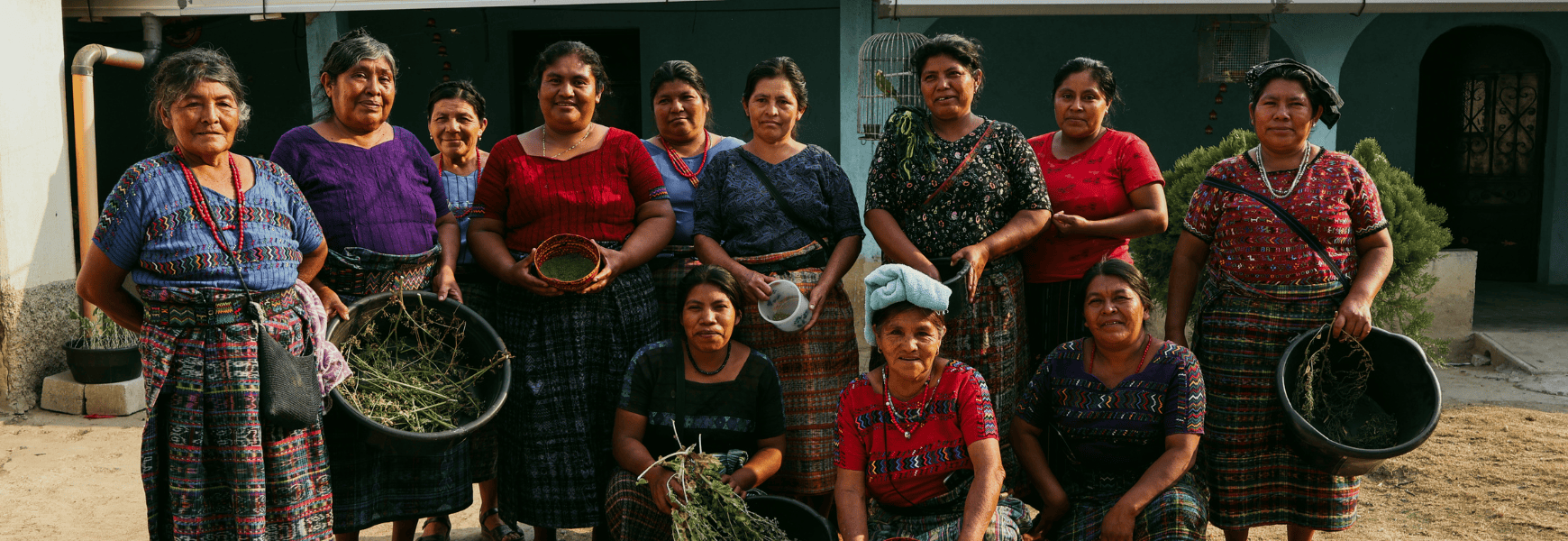
In Baja Verapaz, Guatemala, Qachuu Aloom works with Maya Achí families and communities in Rabinal, San Miguel Chicaj, and Cubulco, where people maintain a strong connection to the land, agriculture, and seeds. Its work focuses on recovering, conserving, and reproducing native seeds and varieties at risk of disappearing, bringing together ancestral knowledge, agroecological production, food, and community organization. Women are responsible for planting and selecting seeds, storing and exchanging them, and using them to feed their families. Home gardens, milpa plots, and fields preserve local crops such as corn, beans, amaranth, herbs, and vegetables.
The organization aims to prevent the loss of native and creole seeds and the knowledge associated with them, while recognizing women as seed guardians and transmitters of knowledge to younger generations, in a context of water scarcity and changing climate conditions. To this end, it maintains a community seed bank that preserves over 50 varieties and organizes workshops on seed conservation, composting, and bioinputs.
Qachuu Aloom works with a network of 100 women seed producers who set aside part of their harvest for replanting and share or sell seeds, crops, and processed products at community markets. Results include stronger seed selection, conservation, and reproduction practices, as well as the return of amaranth to family plots, where it is also used to make foods and other processed products.
From this experience, the organization draws an important conclusion: “Preserving a seed does not simply mean storing it; it must be planted, shared, and the knowledge passed on.” Guided by this principle, Qachuu Aloom plans to expand seed reproduction, exchanges between communities and generations, and opportunities for women and young people to take on leadership roles.
“The goal is to prevent the loss of native and creole seeds and the knowledge associated with them, while recognizing women as seed guardians and transmitters of knowledge.“

PDL: Strengthening women’s roles in Haiti’s food systems in the face of crisis
In Haiti, PDL works alongside farming communities in the North and Artibonite regions, where family farming takes place on hillsides exposed to erosion, droughts, and cyclones. The food security situation is critical. According to the latest update of the Integrated Food Security Phase Classification (IPC), published by Haiti’s National Food Security Coordination body and reported by the FAO in 2026, 5.83 million people, or 52% of the population, face acute food insecurity at IPC Phase 3 or above.
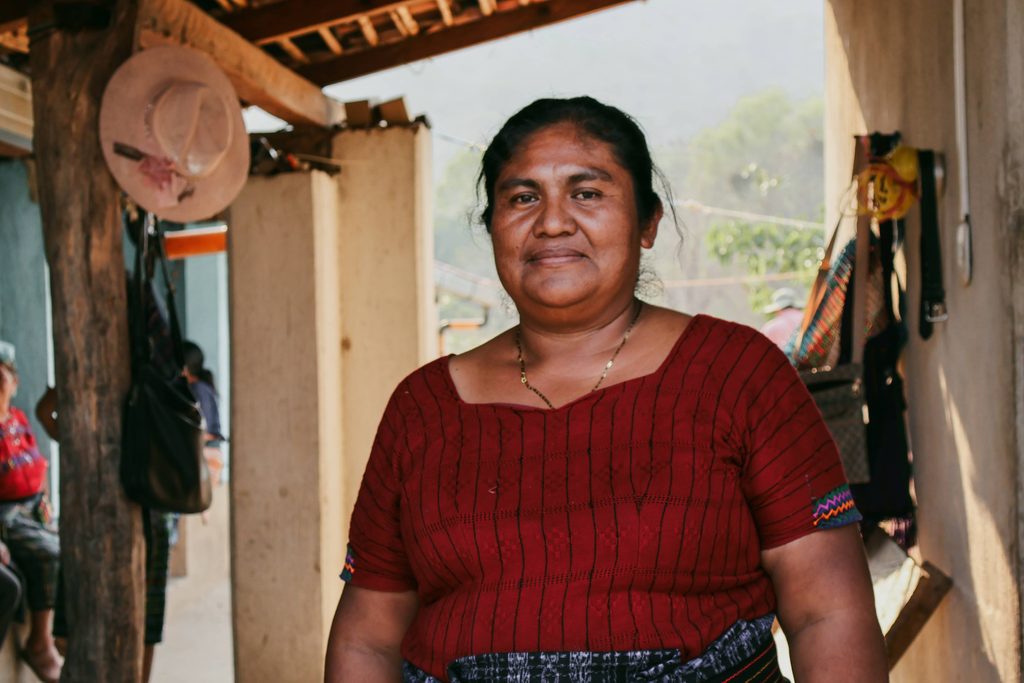
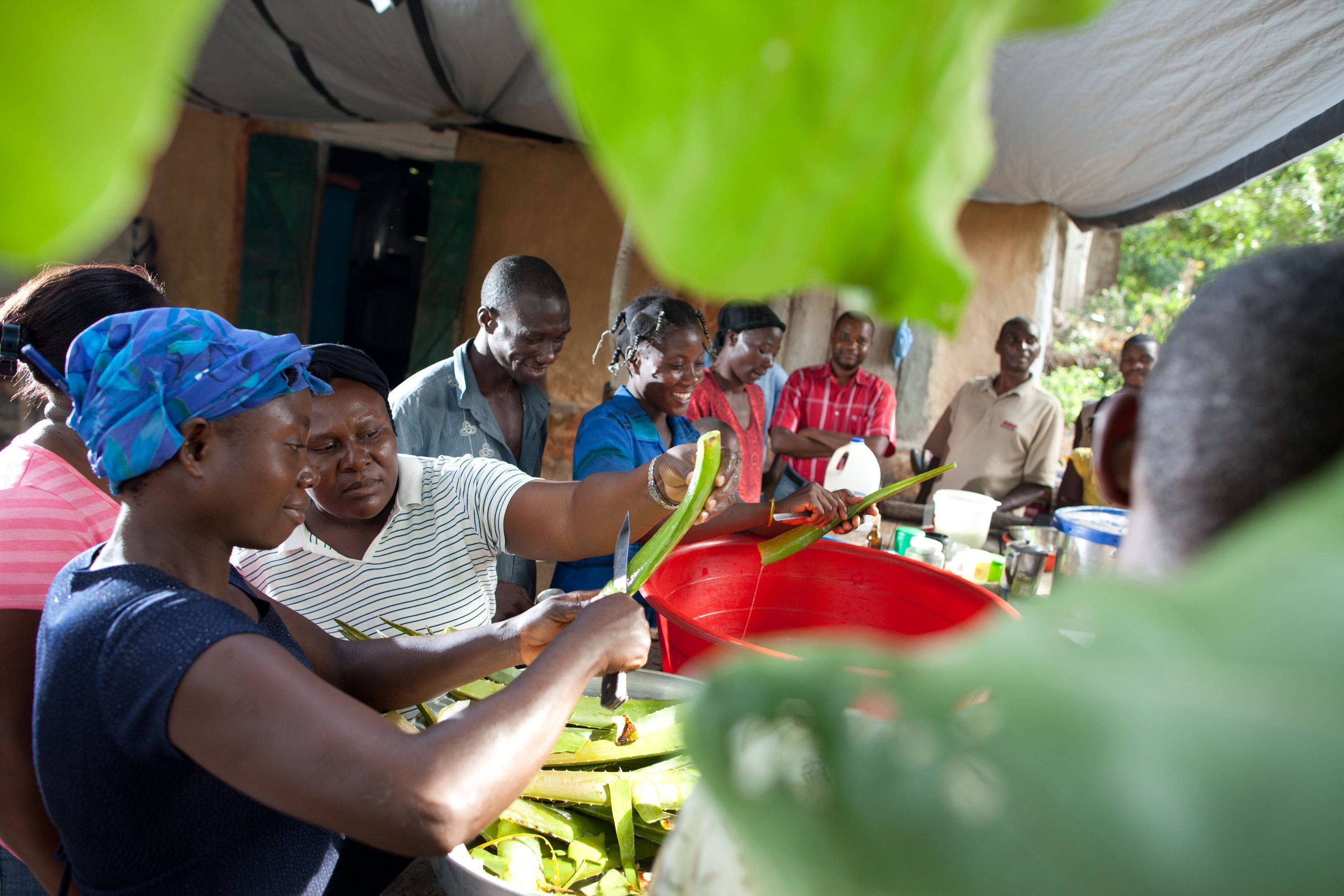
In this context, PDL describes women as the poto mitan, or pillar of the family. They are responsible for the jaden lakay, or home garden, selecting and preserving seeds, passing on knowledge about food and medicinal plants, and marketing agricultural produce.
This role is affected by seed loss. According to PDL, climate shocks cause farmers’ seeds to disappear, and communities increasingly depend on grain purchased in local markets for planting. This increases their dependence on outside sources and reduces production on degraded soils.
To ensure seeds are available for every growing season, PDL promotes mass selection, a method that improves seed quality and adds value. The work is organized through mixed community groups. Women farmers receive hands-on training through model gardens, demonstrations, and exchanges on agroecological practices and seed conservation. Older women also pass their knowledge on to younger generations.
According to PDL, women are now more visible in groups and community discussions. They participate more actively in managing income and seeds, as well as in family and collective decision-making. Local varieties are also better conserved and exchanged through more diverse gardens. The organization concludes that women’s leadership develops through confidence, training, and recognition of their knowledge. Looking ahead, PDL plans to expand model gardens and women-managed community seed banks, and to document knowledge alongside older women and young people, including in Haitian Creole.
“Women are now more visible in groups and community discussions, and participate more actively in managing income and seeds and in family and collective decision-making.“
EkoRural: Women-led farming experimentation in Ecuador
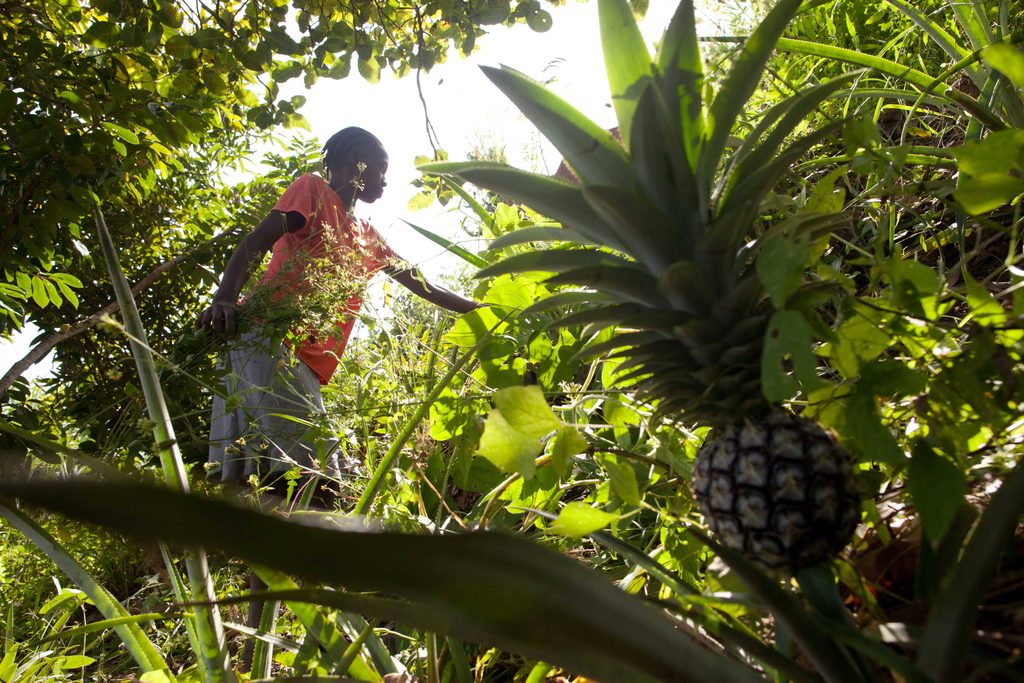
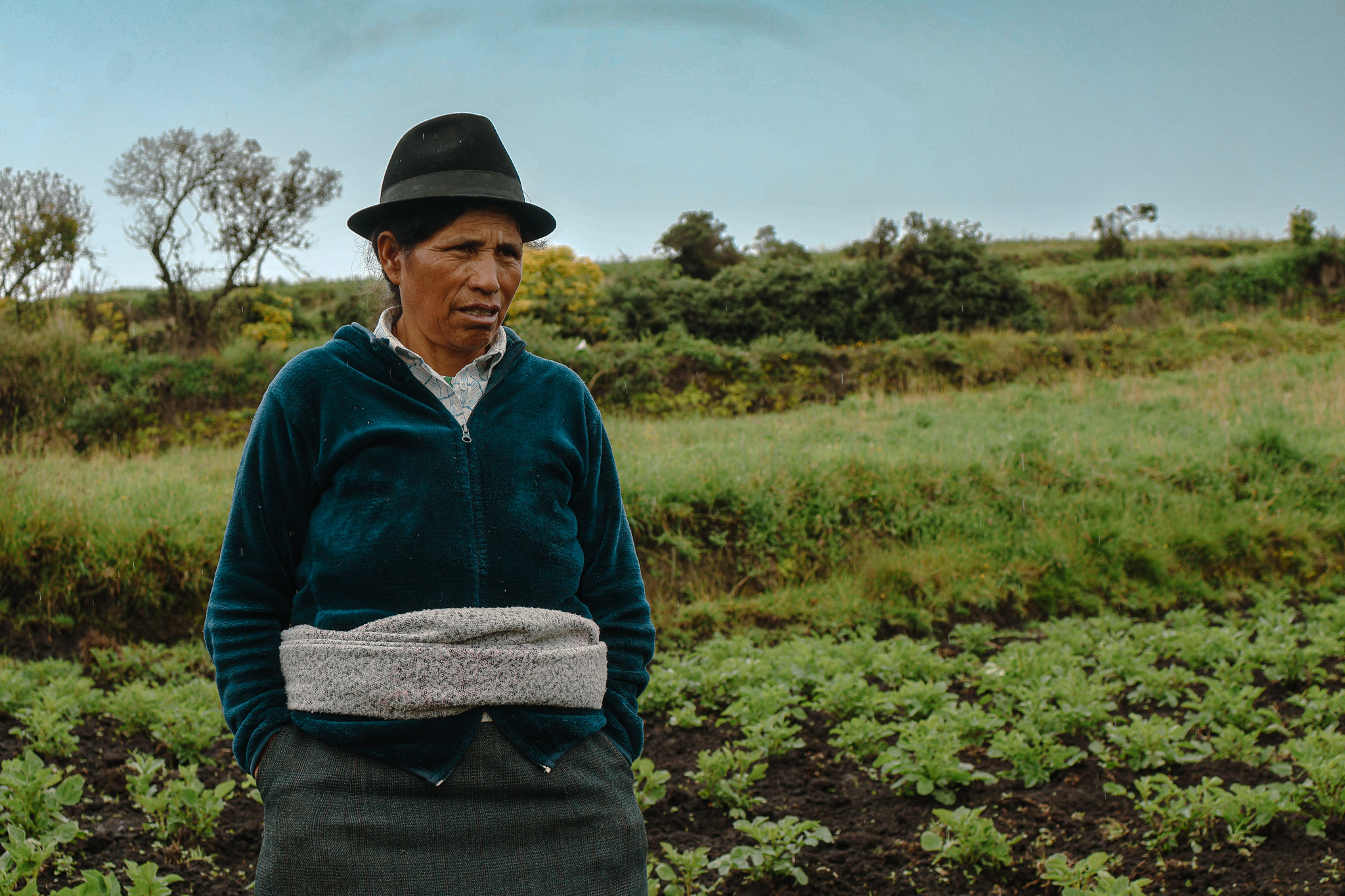
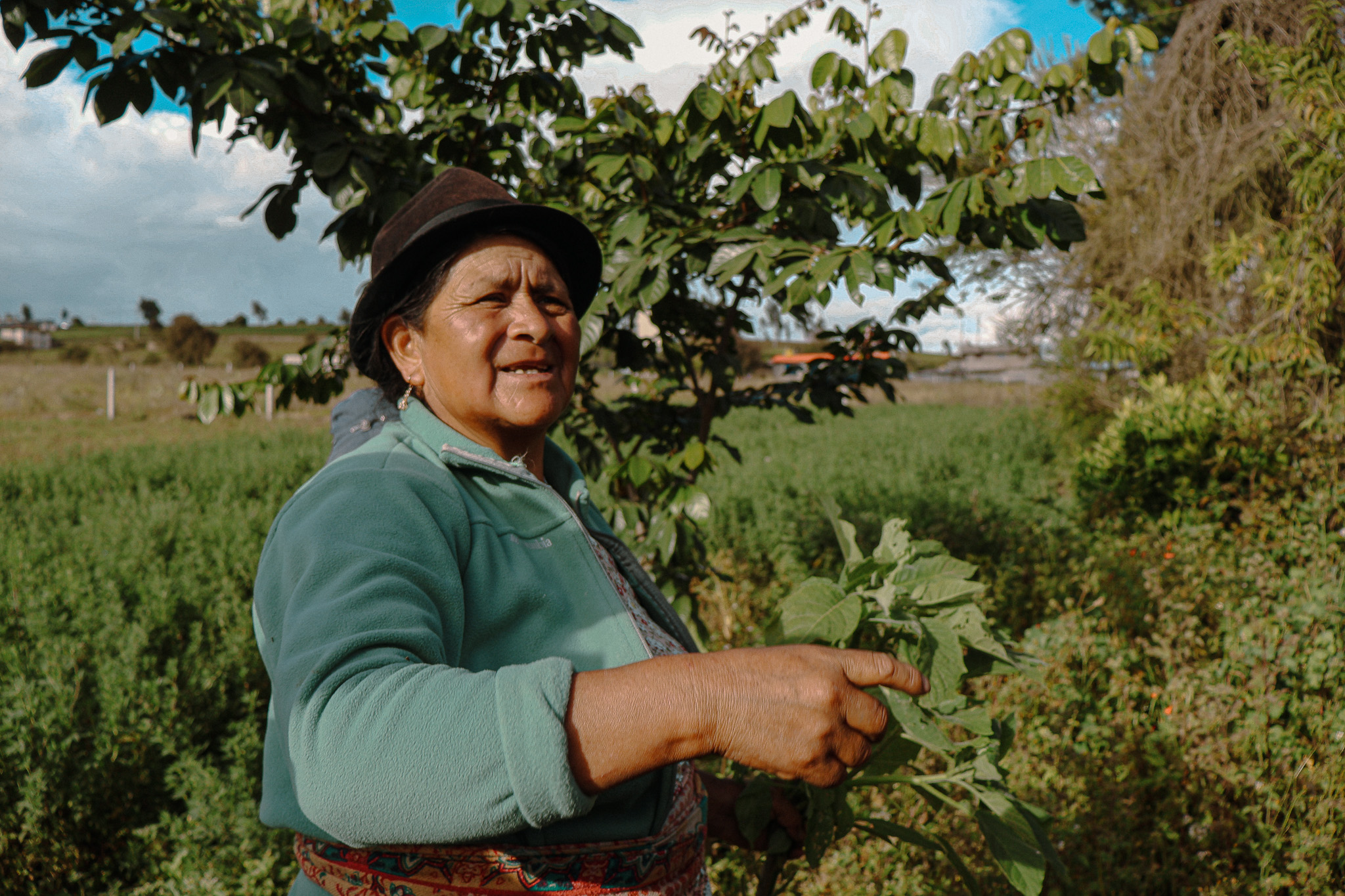
In the Andes, EkoRural works with associations of Indigenous and mestiza women in the central and northern highlands of Ecuador, in hillside areas more than 2,800 meters above sea level where traditional Andean agriculture is practiced. Farms are very small and primarily devoted to vegetable production, with surplus crops produced using practices that range from agroecological to organic. Many of these associations emerged in the 1980s through collective action linked to struggles for land and water. With high levels of migration, particularly among men, rural women take responsibility for production, planning, and managing farm resources. They are also the main stewards of their communities’ social and political life. Yet, according to EkoRural, they continue to be excluded from development initiatives despite these multiple roles.
FAO data show that farms managed by women were, on average, just over one-third the size of those managed by men (35%), while 95% of rural women lacked access to credit. These figures are more than a decade old, but they provide a reference point for understanding the context in which organizations work today.
In this context, EkoRural promotes women-led farmer experimentation to advance the agroecological transition and strengthen rural food systems. The process draws on life plans and community assessments, using learning approaches such as Farmer Field Schools, Farmer-to-Farmer exchanges, and Local Agricultural Research Committees (CIALs).
Experiments emerge from the questions and concerns raised by participants, based on the idea that “anything happening in the field can become a research question”. This has led to trials examining the effect of mashua as a repellent against the white potato grub, the drought resistance of ten native potato varieties, the performance of new varieties in variety gardens, and the effectiveness of bioinsecticides against fall armyworm in maize. Women farmers make decisions about experimental design, data collection, and coordination, and contribute their own plots to the process. Results are evaluated and interpreted collectively.
Among the achievements, women have increased the visibility of agroecology and influenced local authorities through advocacy. Looking ahead, EkoRural plans to strengthen associations and collective action, sustain ongoing training in action research, and develop leadership among young women and rural youth.
These three experiences represent just a small sample of the work that thousands of women around the world are committed to: transforming ecosystems to preserve them, developing collective innovations to improve families’ quality of life, and working together to strengthen their voices in leadership spaces. Above all, they are working toward a sovereign future.
“The work our partners have done to support biodiversity is especially exciting. I was particularly excited to hear yesterday about partners’ activities that connect biodiversity efforts to income generation. I was also thrilled to hear about activities that preserve and pass on generational knowledge that would otherwise be lost.”
SARAH SAHLANEY, EXECUTIVE DIRECTOR, GROUNDSWELL INTERNATIONAL
Discover stories of women farmers leading this work on the ground through the eyes of young filmmakers from their own communities. These films offer a locally grounded perspective on the knowledge, leadership, and contributions of women shaping more sustainable food systems across three continents.