

Youth Reflection Circles to Strengthen the Bond with Mother Earth – Earth Day 2026
This article is also available in Spanish. Read it here.
Every year, Earth Day sparks conversations about the relationship between people and the environment. In Santa Ana Zegache, a rural community in the state of Oaxaca in southern Mexico, that conversation took shape through the Youth Storyteller Program, facilitated by our local partner Centéotl.
“Oaxaca is home to rich cultural and biological diversity, with Indigenous communities closely tied to local agricultural systems. But water scarcity, shifting climate patterns, and changing farming conditions are pressing concern. The workshop aimed to create a space for youth to discuss how these issues connect to their daily lives and actions.
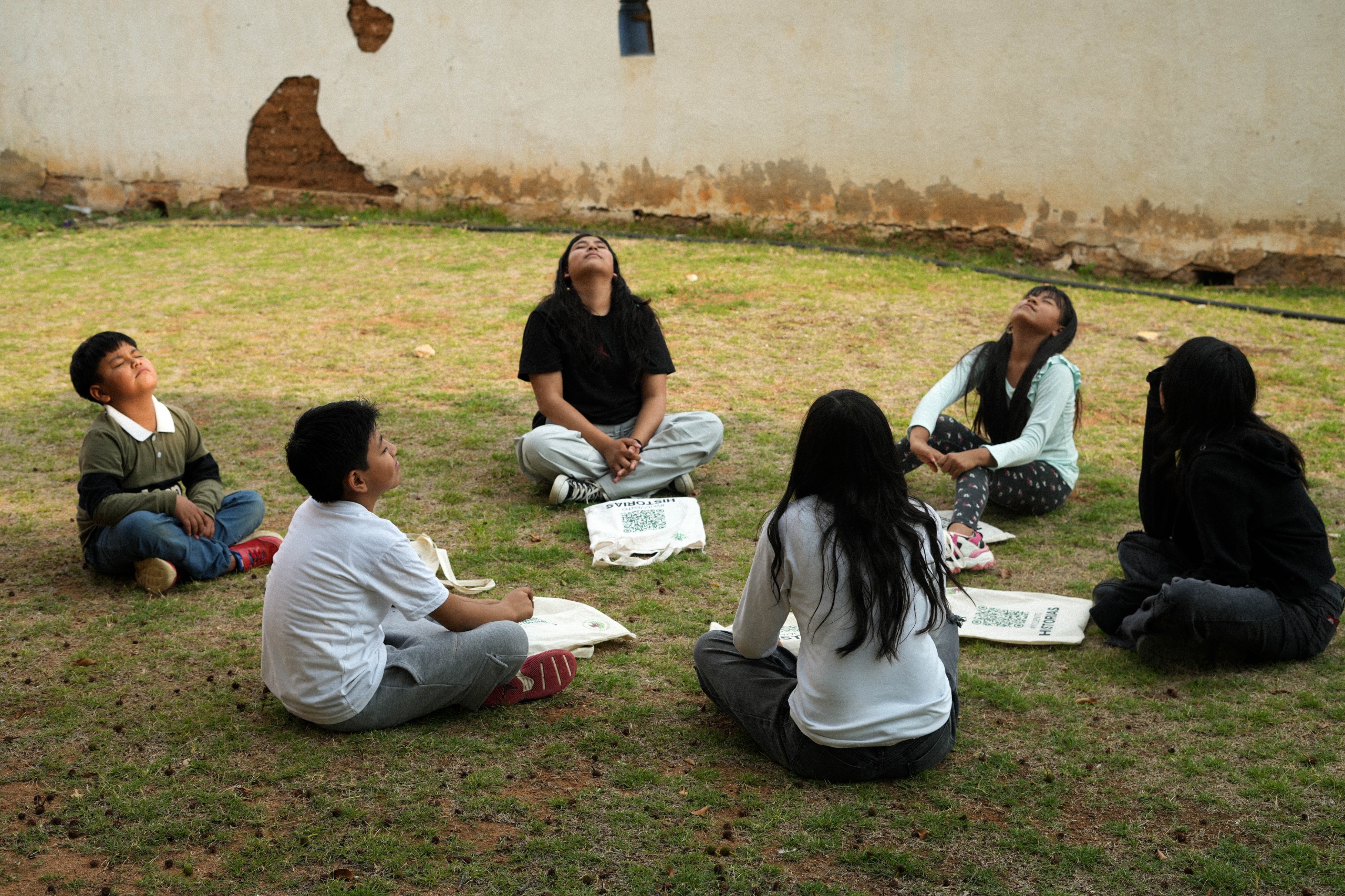
The activity took place in the local parish garden and began with a simple question: what do you feel when you hear “Mother Earth”? Each young person responded with a single word. Then, they closed their eyes, breathed deeply, and listened to the sounds of nature around them. Through audio recordings, they reflected on the role of the natural elements—earth, water, wind, and fire—and answered two questions: what does nature communicate to you, and what do you feel when you sense that it needs attention?
Abigail de la Luz Mendoza, a member of the youth group, shared: “Nature does not need human beings, but human beings depend entirely on her. Nature has nourished great species and has witnessed the evolution of life on earth. We are the ones who are not prepared for the changes we are experiencing.”
From these reflections, the group delved into their community’s relationship with nature—the impact of food production on the earth and the changes they’ve noticed in the local climate. Some participants mentioned shifts in rainfall patterns. Others discussed food quality and production conditions. Organic farming came up as a practice linked to environmental stewardship and adapting to change. A central question emerged: are we ready to evolve at the pace the Earth needs?
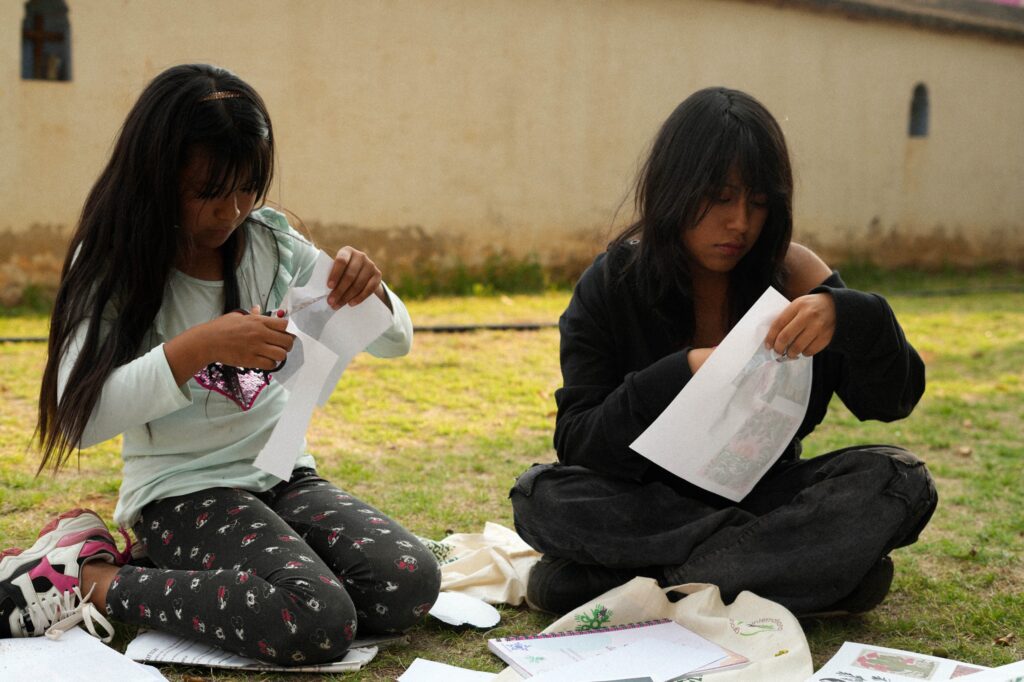
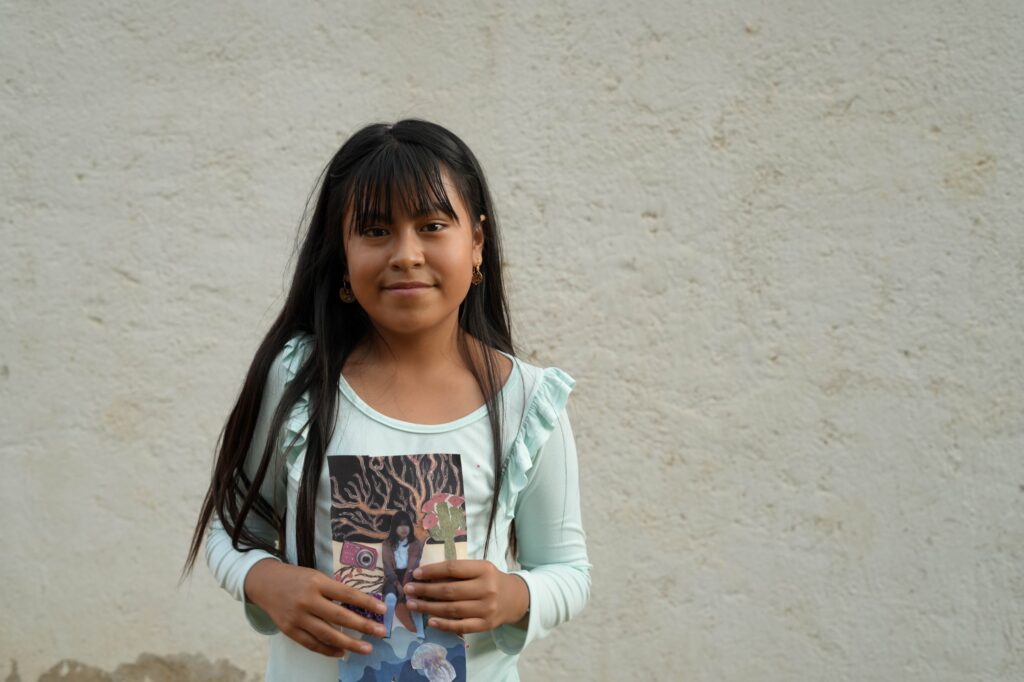
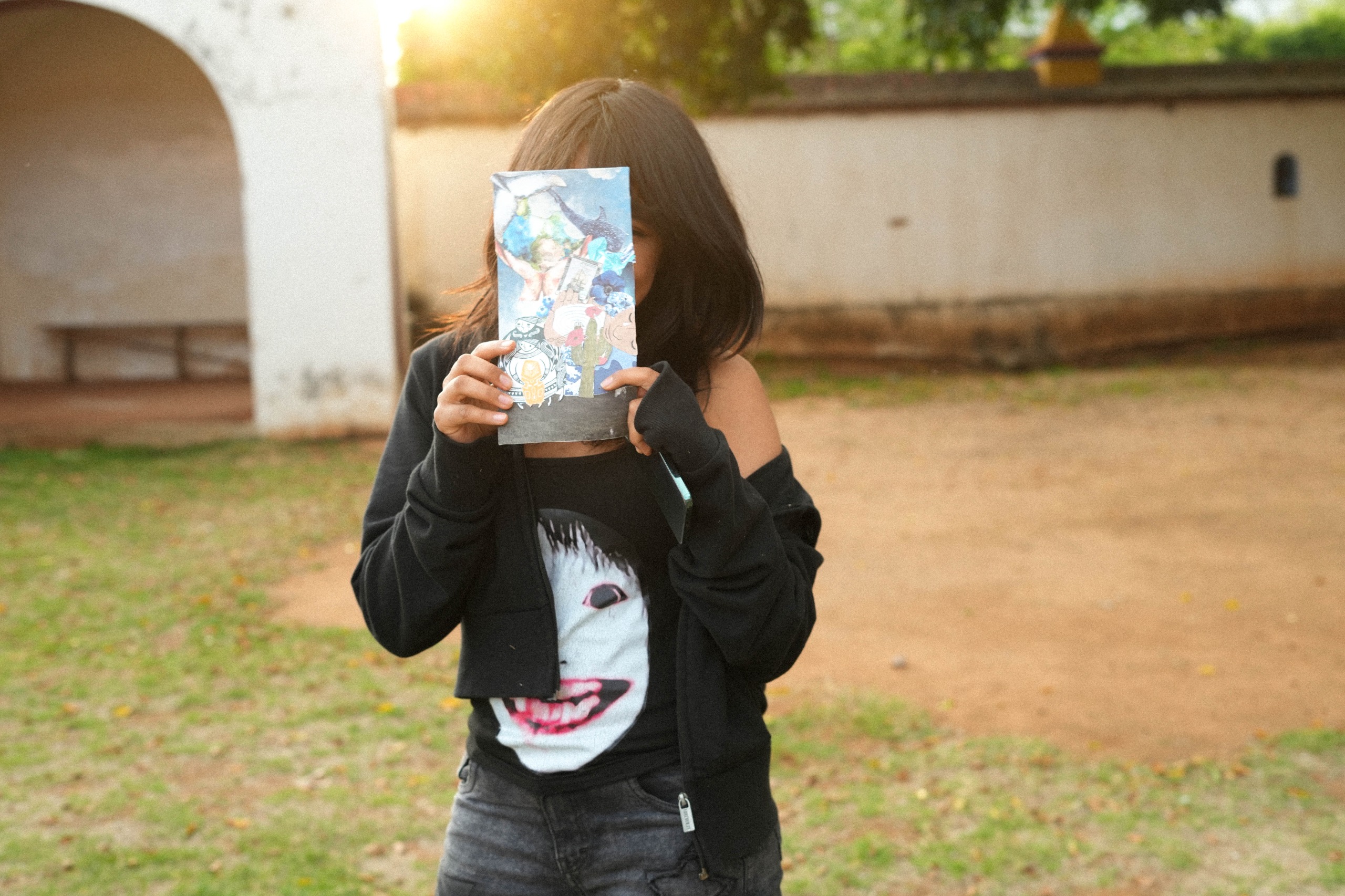
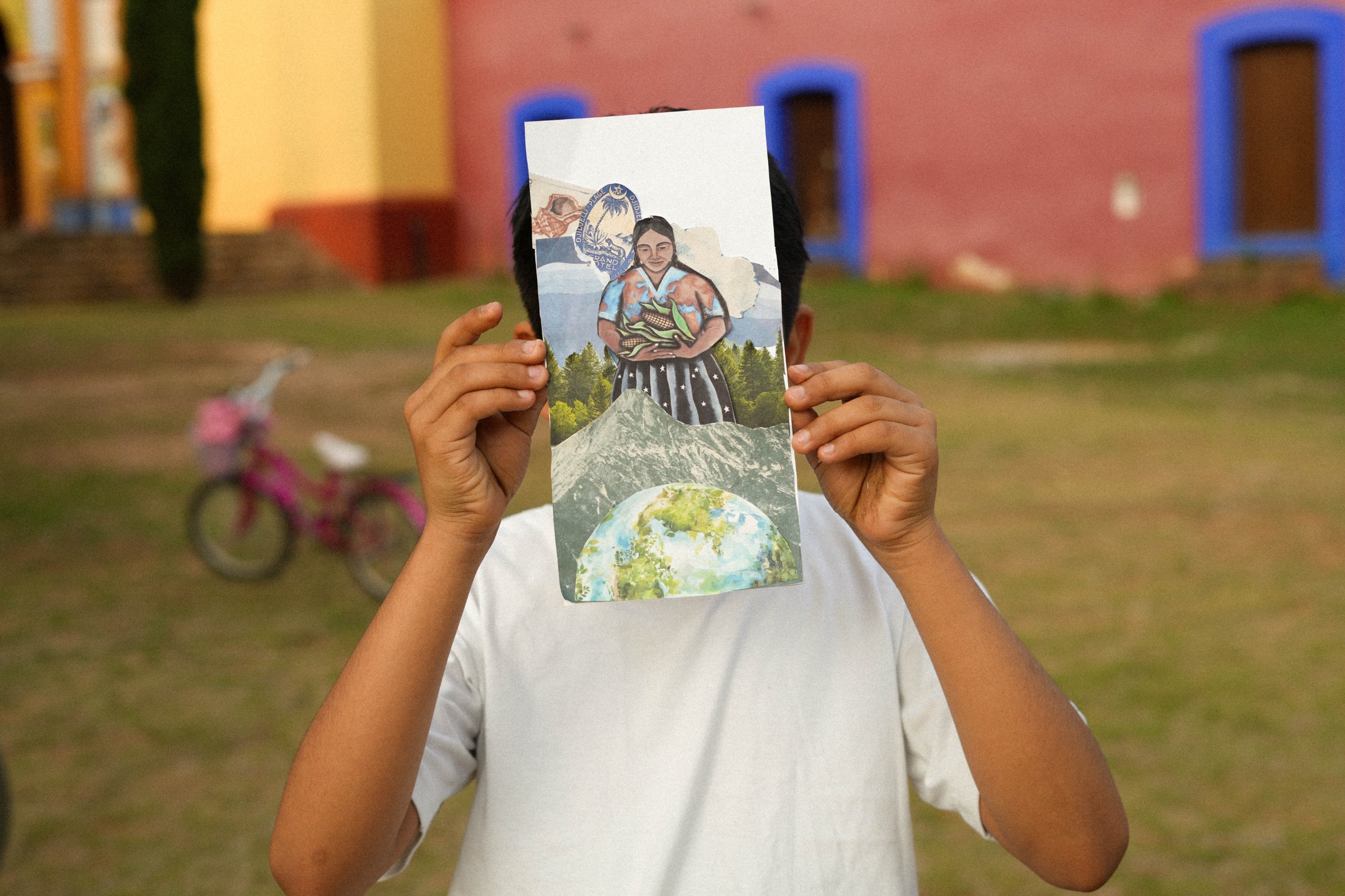
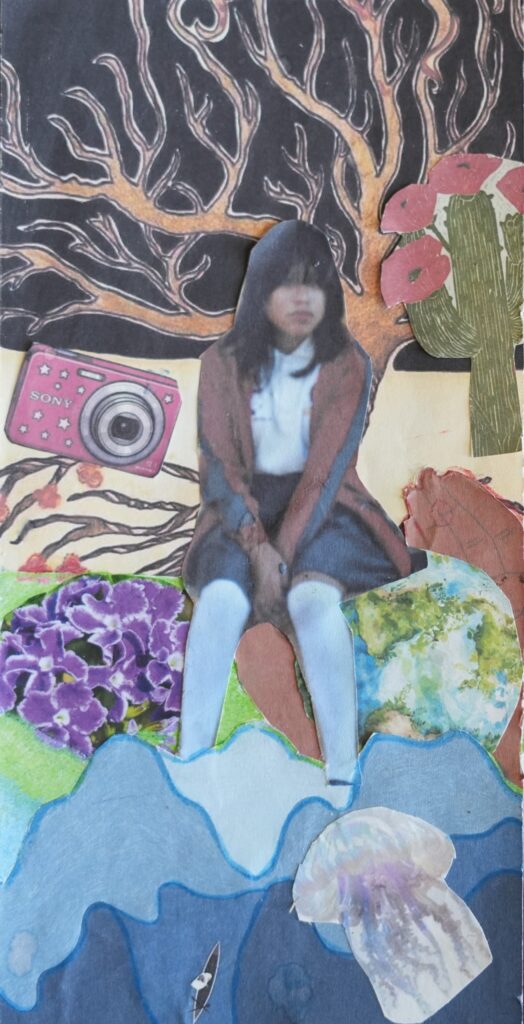
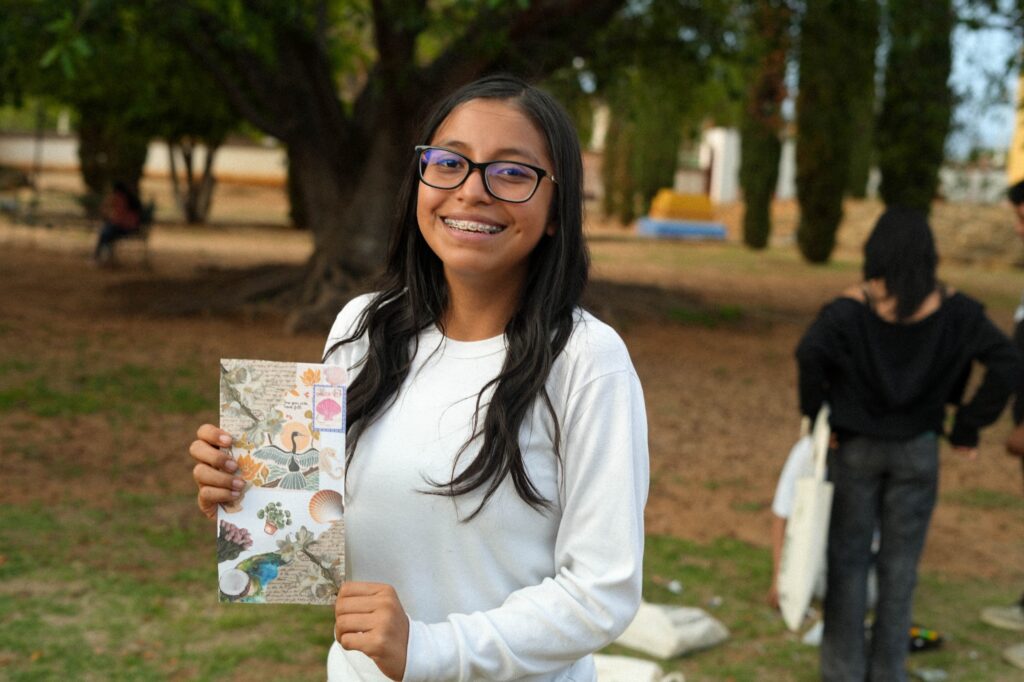
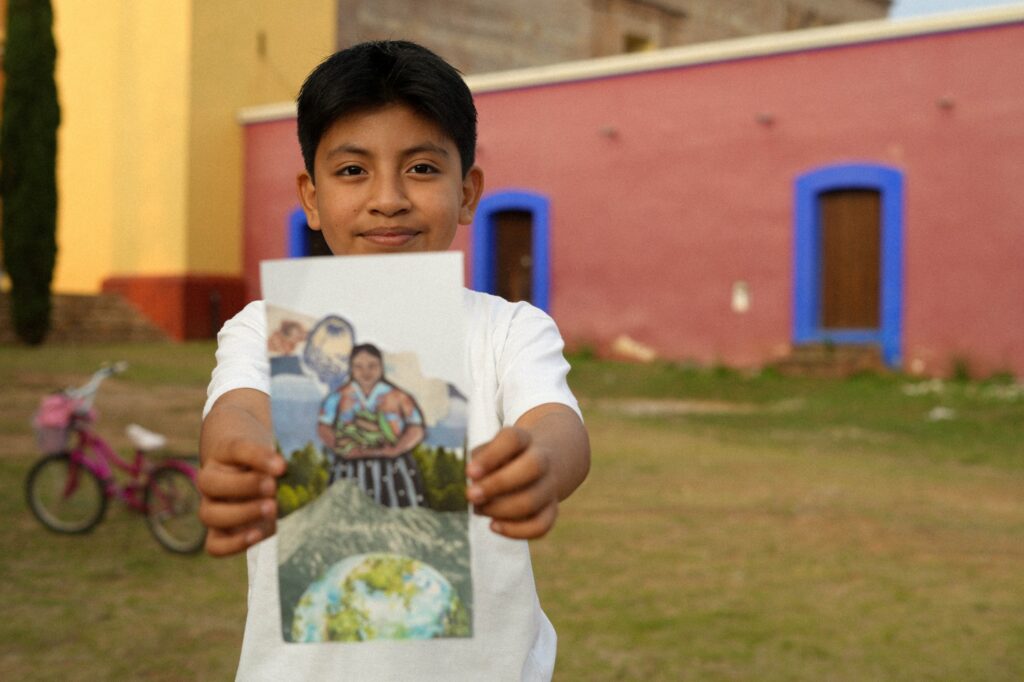
This opened up different perspectives, and the group recognized that caring for the earth does not start with grand actions but with small daily changes that, when added together, generate a collective impact. To record their reflections, each participant created a collage illustrating what they would protect if they were a guardian of the Earth.
This activity is part of Centéotl’s 4S methodology (Saber, Sentir, Servir y Salud – knowledge, feeling, service, and health) which guides the group’s learning process, connecting knowledge with emotion and action. Through these activities, the aim is for participants to connect global issues like climate change to local situations and everyday decisions, and and begin to respond from where they are.




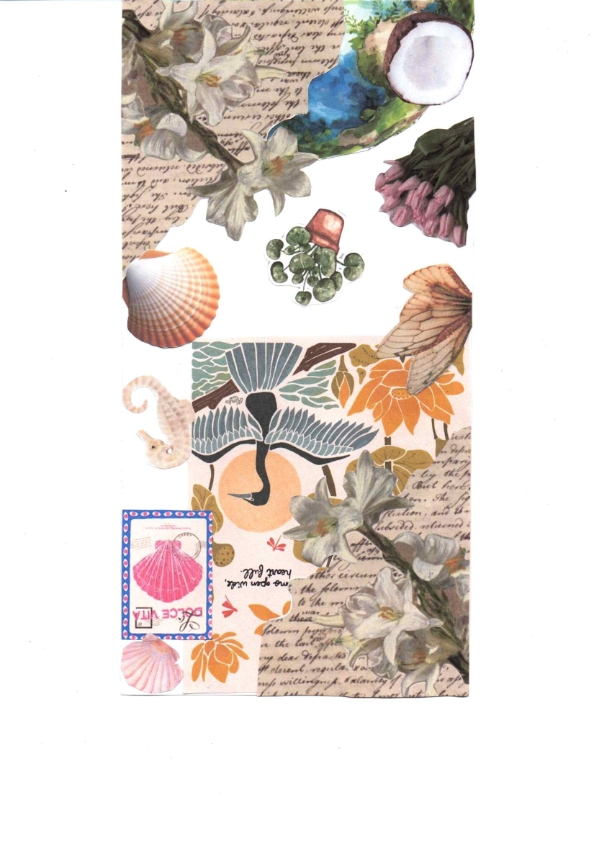
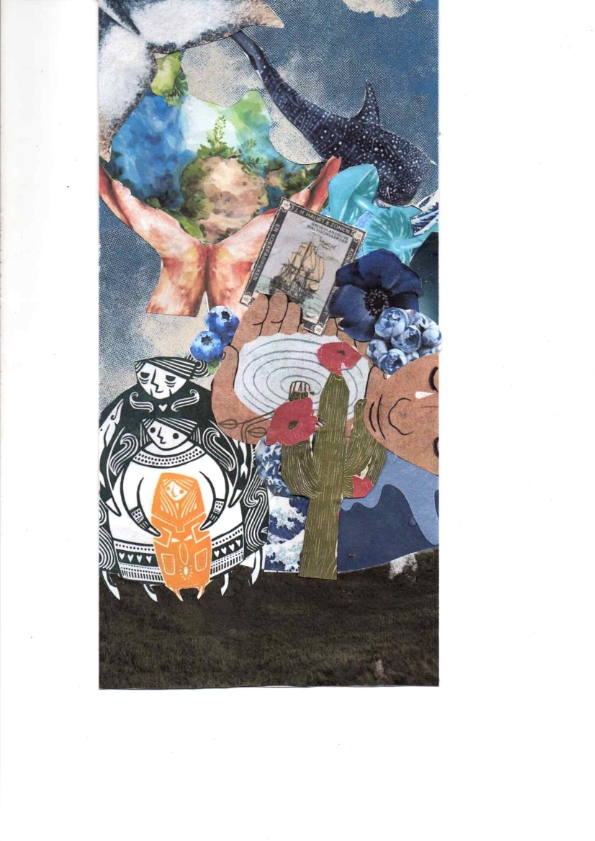
Photos: Centéotl AC
About El Centro de Desarrollo Comunitario Centéotl (Mexico)
Centéotl promotes, through participatory work, fair and sustainable socioeconomic processes which conserves the cultural identity of communities in the Valles Centrales and Sierra Sur areas of Oaxaca in Mexico. Centéotl works in various areas of community development, such as promoting sustainable agriculture and livestock, creating women’s savings and credit groups, and protecting cultural identity and Indigenous rights. All of their projects are harmonious with nature and incorporate a gender equity and inclusion lens.
Centéotl is researching the effects of agroecology vs. conventional agriculture on soil fertility in partnership with Groundswell International. They also work with local farmers, prioritizing the involvement of women, to design and cultivate test plots across various contexts to develop rigorous evidence for agroecology’s role in regenerating soil ecosystems, which has been shown to boost on-farm productivity and groundwater retention while reducing erosion, among other benefits. Another critical program is the development of community amaranth grain banks and an amaranth cooperative to promote local markets for healthy food products.
Learn More: https://centeotl.org.mx/web