
BLOG
Voices from the field
Filter by topic, region or language:
Agroecology Americas Español Farmer Stories Groundswell News South Asia Systemic Change West Africa Women in Agriculture Youth in Agriculture

Semillas expandidas: Exploraciones sobre mercados locales en América Latina y el Caribe
Esta multimedia te llevará a Ecuador, Guatemala, Honduras y Haití, donde organizaciones campesinas e indígenas muestran de qué manera estrategias como las reservas de granos, la conservación de semillas, las ferias agroecológicas y las microempresas rurales fortalecen la soberanía alimentaria y convierten a los mercados en motores de resiliencia y bienestar comunitario.
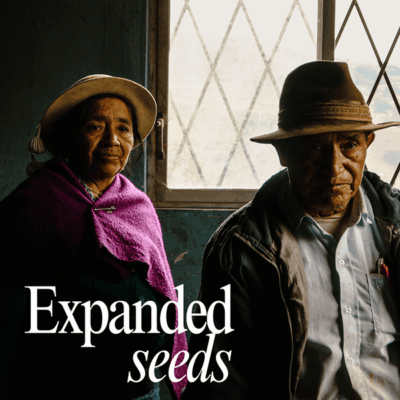
Expanded Seeds: Exploring Local Market Dynamics in Latin America & The Caribbean
This multimedia story takes you to Ecuador, Guatemala, Honduras, and Haiti, where peasant and Indigenous organizations show how strategies like grain reserves, seed conservation, agroecological fairs, and rural microenterprises strengthen food sovereignty and make markets engines of resilience and community well-being. Available in English and Spanish.
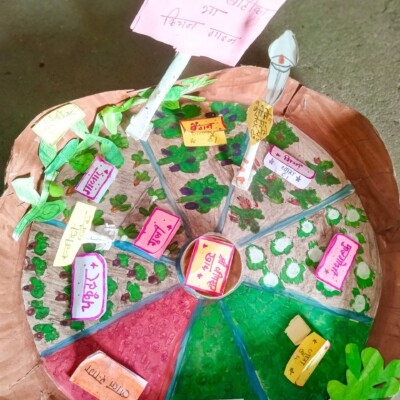
How This School Kitchen Garden Is Transforming Meals and Homes in Bihar, India
At Utkramit Madhya Vidyalaya, an upper middle school in Bihar with just over 250 students, learning now stretches beyond the classroom walls. In a small garden beside the school, children crouch between rows of local vegetables, their hands dusty with soil as they water, weed, and harvest. The patch of land, once unused and barren, has transformed into a living classroom where tending the earth is becoming as much a part of children’s education as reading and math. Students participating in the school kitchen garden initiative at Utkramit Madhya Vidyalaya Learning by doing The transformation b …
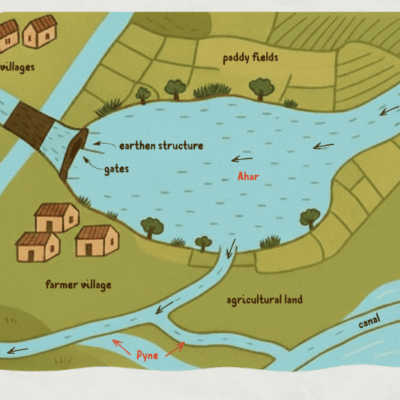
Restoring Ancient Ahar-Pyne Water Systems: A Rebirth of Traditional Farming Practices in India
In the flat farmlands of Surungabigha in Southern Bihar, a dry body of water had been fading into memory. The ahar-pyne — a traditional irrigation system developed by smallholder farmers — had long been abandoned. The land around it was barren, weeds growing in clumps where water once flowed. For local farmers, it was a visible reminder of colonial times, when British-imposed “modern” irrigation methods and land policies pushed aside community-built systems and the knowledge that once kept these lands fertile. But over the past year, the ahar in Surungabigha has begun to change. What was once …

What Grows on Concrete? Lessons from the Urkuwayku Regenerative Farm in Ecuador
Perched atop a breezy hillside in the Ecuadorian Andes, a 5-hectare farm shows what the future of food can look like. At first glance, Urkuwayku (‘Windy Mountain’ in Kichwa) looks wild—in the best way. Trees stretch skyward. Flowers bloom in chaotic harmony. Fruits, herbs, grains, and vegetables spring from the ground at every turn. Birds chirp. Insects buzz. Life hums in every corner. This is no accident. Urkuwayku is a living, breathing system—auto-regenerating, as its founder Stephen Sherwood describes it. Here, nature is not controlled, but carefully studied and collaborated with. Steve de …

How Joining a Women’s Savings Group Helped This Farmer Survive Cancer
Farmers in Nepal, especially women, face a host of intersecting challenges. Many work with limited resources under difficult conditions, while also managing livestock, household responsibilities, and their children’s education from a young age. This burden takes a toll on their health and ability to sustain a livelihood. Women farmers are also particularly exposed to toxic pesticides—a result of structural inequality and poor regulation. As Nepali Times reports, “women and Dalit households tend to have higher exposure to toxic pesticides.” Long-term exposure has been linked to severe health co …